
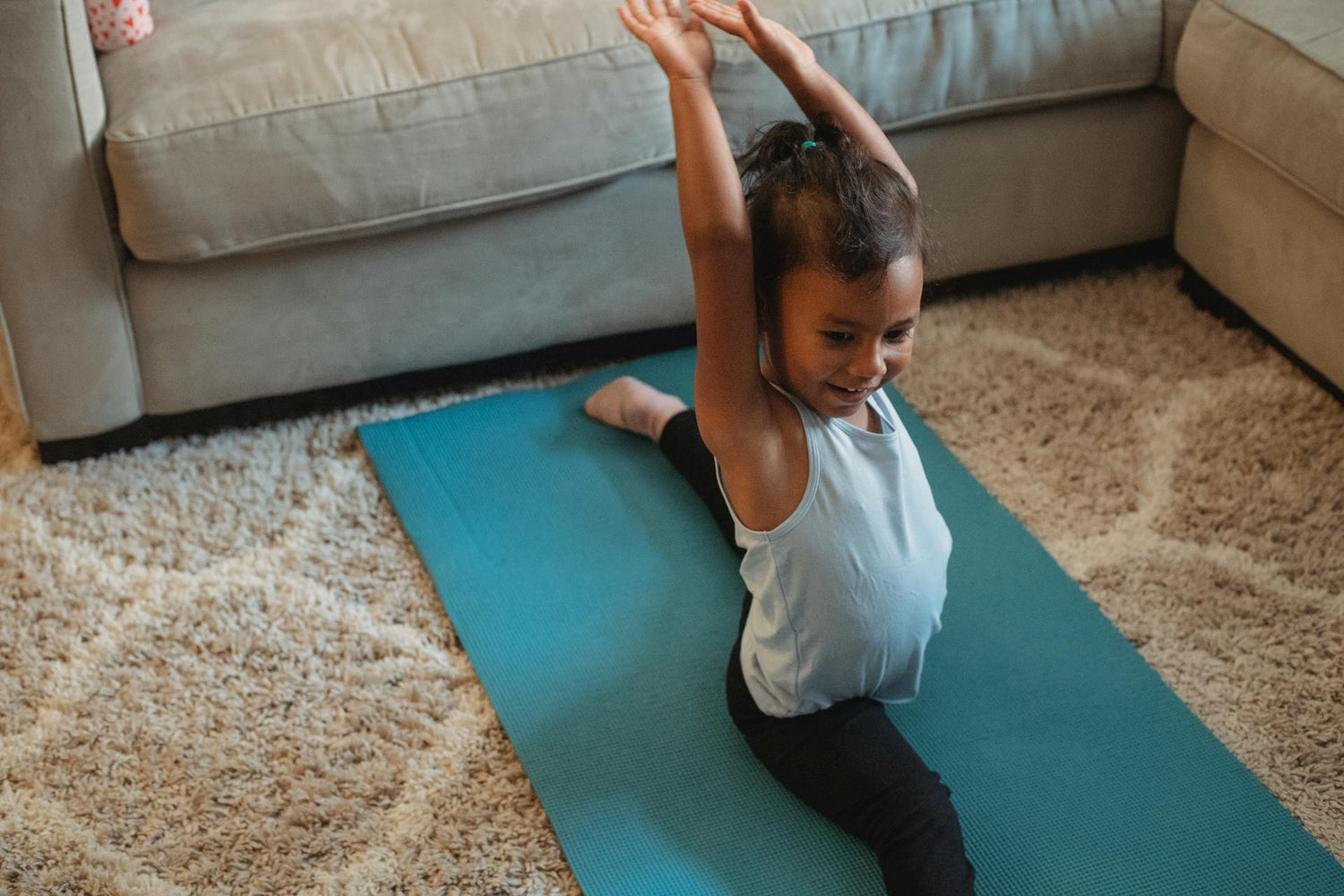
Most people can improve toward the splits with consistent practice, but the fastest way to get injured is to force depth before the body is ready. If your goal is to learn the front splits or middle splits, focus first on warming up, improving hip position, and building strength in your new range of motion. You should feel steady stretch tension, not sharp, pinching, or tearing pain.
Achieving the splits is often seen as the ultimate display of flexibility. Whether you are a dancer, a martial artist, or simply someone looking to improve their range of motion, learning how to do the splits is a rewarding journey. The splits generally refer to a position where the legs are extended in opposite directions, forming a straight line.
Key Takeaways
- Do not chase the floor too early. The fastest way to improve splits safely is to prioritize warm-up, alignment, and gradual progress over forcing depth.
- Front splits and middle splits challenge different muscles, so your training should match the specific type of split you want to improve.
- Flexibility works best when paired with strength. Exercises such as lunges, glute bridges, adductor lifts, and Romanian deadlifts help you control your new range of motion.
- A strong stretch can feel intense, but sharp pain, pinching, tearing, numbness, or instability are warning signs to stop immediately.
- Consistent practice several times per week is more effective than occasional aggressive stretching sessions that leave you overly sore or injured.
Understanding the Splits
Types of Splits
- Front Splits: This position requires extending one leg straight forward and the other straight back. It requires different flexibility for the right and left sides.
- Side (Middle) Splits: This involves extending both legs outward to the sides. It places significant demand on the hips and inner thighs.
Muscles Involved
Successful splits require more than just flexible legs. You need to address the hamstrings, hip flexors, especially the psoas and quadriceps, glutes, and the inner thigh muscles called the adductors. The calves and lower back also play a supportive role. In front splits, the front leg usually needs more hamstring length while the back leg needs more hip flexor and quad mobility. In middle splits, adductor flexibility and hip positioning usually become the limiting factors.
Flexibility vs. Mobility
It is important to understand the difference between static flexibility and dynamic mobility. Static flexibility is your ability to hold a position such as the splits. Dynamic mobility is your ability to move into and out of that position with control. Developing both helps protect the joints and makes your new range of motion more useful in real movement. A flexible position that you cannot control is harder to use safely.
Safety First: Before You Train
- Health Considerations: If you have a history of hip injuries, hamstring strains, or joint issues, consult a healthcare professional before starting a deep stretching routine. Listen to your body; sharp or shooting pain is a red flag.
- Common Risks and Prevention: The most common injuries come from overstretching, forcing the body into position too quickly, or training on "cold" muscles. Avoid bouncing into a stretch, as this triggers a protective reflex that can tighten muscles rather than lengthen them.
- General Principles: Always warm up thoroughly. Aim for a sensation of strong but manageable discomfort, never pain. Consistency is safer and more effective than intensity.
Preparing Your Body: The Warm-Up
Never attempt the splits without preparing your body. A 5 to 10-minute warm-up increases blood flow and tissue elasticity.
- General Warm-Up: Start with light cardio such as jogging in place, skipping, or jumping jacks to raise your body temperature.
- Joint Mobilization: Move your joints through their range of motion. Perform ankle circles, knee bends, hip circles, and gentle spinal rolls to lubricate the joints.
- Activation Exercises: Engage the muscles you plan to stretch. Glute bridges, light squats, and core activation exercises (like planks) help stabilize the pelvis, which is crucial for safe stretching.
Step-by-Step Stretches for Front Splits
Foundational Stretches
- Hamstring Stretch: Perform a seated forward fold or a standing hamstring stretch with one foot on a low surface. Keep the spine long.
- Hip Flexor Lunge: Step into a low lunge with the back knee on the floor. Gently press the hips forward to stretch the psoas and quads.Squeeze the glute of the back leg slightly to keep the pelvis more stable.
Intermediate Preparation
- Half Split (Ardha Hanumanasana): From a lunge, straighten the front leg while keeping the hips stacked over the back knee. Fold forward gently.
- Elevated Prep: Place your front foot on a yoga block or a stack of books to deepen the hamstring stretch gradually.
Moving into the Front Splits
Using blocks or chairs for hand support, slowly slide your front heel forward and your back knee backward. Focus on keeping your hips square, facing directly forward. Stop when you feel significant but manageable tension. Ensure your front knee points straight up and your chest remains lifted. Think of reaching the front heel forward and the back thigh long behind you, rather than forcing your pelvis straight down. Good alignment matters more than instant depth.
If your hips keep opening to the side, come out slightly and reset. A shallower split with square hips is usually more productive than a deeper split with poor alignment.
Step-by-Step Stretches for Side (Middle) Splits
Foundational Inner-Thigh Stretches
- Butterfly Stretch: Sit with the soles of your feet together and knees open. Allow gravity to pull the knees down.
- Frog Pose: On hands and knees, slide your knees as wide apart as possible while keeping your feet in line with your knees. This deeply targets the adductors.Move slowly and stop if you feel pressure in the knees rather than a muscular stretch in the inner thighs.
Intermediate Preparation
- Cossack Squats: Shift your weight from side to side in a wide stance, stretching one inner thigh at a time.
- Seated Straddle: Sit with legs wide apart and lean forward with a flat back.Focus on lengthening through the spine and hinging from the hips instead of collapsing the chest.
Moving into the Middle Splits
Stand with feet wide and hands on the floor or blocks. Slowly slide your feet apart on a slippery surface. Ideally, your knees and hips should remain in one line. Ensure your toes point forward or slightly up, rather than rolling inward, to protect the knee joints.
Training Plan
Frequency and Duration
Consistency is key. Aim to practice flexibility exercises 3 to 6 days per week. Hold each static stretch for 20 to 60 seconds and repeat for 2 to 4 sets. Deep stretching is often best done after a workout when the body is already warm. If you are a beginner, starting with 3 to 4 sessions per week is often easier to recover from than stretching deeply every day.
Tracking Progress
Measure progress by noting how far you are from the floor or by taking photos periodically. Remember that progress is rarely linear. Some days you will feel tighter than others. A better sign of improvement is not just lower depth, but also better alignment, calmer breathing, and more control in the position.
Common Mistakes to Avoid
- Forcing Depth: Pushing too hard too fast often leads to injury and setbacks.
- Twisting the Hips: In front splits, opening the hips to the side avoids the true stretch and can strain the lower back. Keep the hips square.
- Breath Holding: Breathing signals the nervous system to relax. If you cannot breathe deeply, the stretch is too intense.
- Training Cold: Skipping the warm-up is one of the fastest ways to make stretching feel worse and raise injury risk.
- Ignoring Joint Pain: A muscular stretch can feel intense, but joint pain, pinching, tearing, or instability are signs to stop.
Supportive Strength
Flexibility without strength is instability. Incorporate exercises such as lunges, Romanian deadlifts, glute bridges, adductor lifts, split stance holds, and controlled leg raises to build the strength needed to support your increased range of motion. This type of strength training helps your body keep the mobility you gain and makes it easier to use that mobility in sports, dance, gymnastics, and everyday movement.
Adapting for Different Populations
- Beginners: Focus heavily on the warm-up and foundational stretches like the half split.
- Older Adults: Take progressions slower and prioritize recovery days.
- Athletes: Integrate splits training after your main sport practice to utilize the body heat generated during training.
When to Stop
Learn to distinguish between productive stretch discomfort and warning signs. Tension, pulling, and mild muscular burning can be normal. Sharp pain, pinching in the hips, tearing sensations, sudden weakness, numbness, bruising, or loss of control are not. If these occur, stop immediately and seek professional advice. If you feel pain in the groin, hamstring attachment, knees, or lower back rather than the target muscles, back out and reassess your alignment before continuing.
Frequently Asked Questions
How often should you practice stretches for the splits?
You should practice flexibility exercises three to six days per week. Consistency matters more than occasional aggressive stretching sessions that leave you sore. Beginners find it easier to recover from three to four sessions weekly. Deep stretching works best after a workout when your body is warm.
Why do I feel pain when doing the middle splits?
You likely feel pain because you are forcing depth too quickly or skipping warm ups. Sharp pain indicates you must stop immediately. Good alignment and steady stretch tension are required instead of aggressive pushing. You should ensure your toes point forward to protect your knee joints from dangerous pressure.
What muscles are needed for the front splits?
The front splits require flexibility in your hamstrings, hip flexors, quadriceps, glutes, and adductors. Your front leg needs significant hamstring length. Your back leg relies heavily on hip flexor and quad mobility. Supporting muscles like the calves and lower back also help you maintain a safe and stable position.
Is it important to build strength for the splits?
It is crucial to build strength because flexibility without strength causes instability. Exercises like lunges and glute bridges help you control your new range of motion. This strength training protects your joints and makes your mobility useful for sports and everyday movement rather than just holding a static pose.
How to properly warm up for the splits?
You must start with light cardio and joint mobilization exercises to increase blood flow. Jumping jacks and hip circles raise your body temperature and lubricate the joints safely. You should then perform activation movements lik
Conclusion
Learning how to do the splits is a marathon, not a sprint. By following a structured routine, respecting your body’s limits, and training consistently, you can make meaningful progress in flexibility and control. The safest path is to warm up well, improve the right muscles for the right split, keep clean alignment, and build strength alongside flexibility. Celebrate small wins along the way, such as touching your toes, holding a deeper half split, or feeling more comfortable in a lunge, as you work toward the full position.


Leave a comment
This site is protected by hCaptcha and the hCaptcha Privacy Policy and Terms of Service apply.