
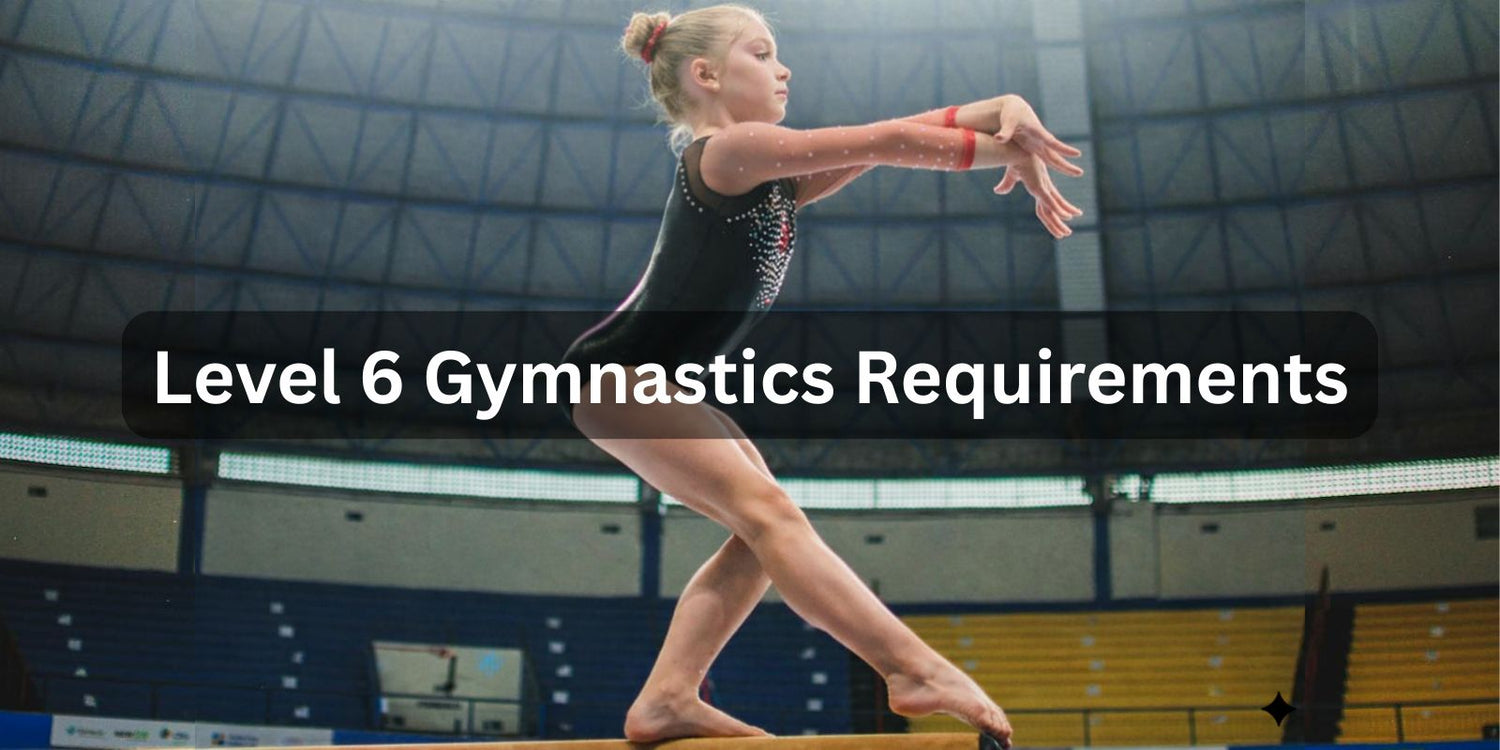
Level 6 is the first major optional stage in women’s Gymnastics Levels, where athletes move beyond compulsory routines and begin performing individualized choreography. To score well in the 2026 season, gymnasts must meet every special requirement and value part expectation on each event, because every missing requirement lowers the start value and quickly separates polished routines from incomplete ones.
Key Takeaways
- Level 6 is a major transition point because it introduces optional routines, individualized choreography, and more demanding routine construction.
- The 2026 rules reward precision, not just difficulty, so missing a special requirement can reduce the start value by 0.50.
- Bars, beam, and floor routines must meet specific composition rules, including cast angles, dance elements, acrobatic connections, and recognized dismounts.
- Strong scoring depends on technical form, routine composition, artistry, and consistency under pressure across all four events.
- Successful Level 6 preparation requires physical readiness, mental resilience, and a well-planned training cycle before the competitive season begins.
Introduction
Level 6 marks a major turning point in the development program because it moves athletes from fixed compulsory routines into optional competition. It builds the foundation for higher optional levels by combining technical precision, event-specific composition requirements, and individual performance quality.
Understanding the Level
This level represents a meaningful transition in the developmental pathway because athletes are no longer judged only on reproducing set routines. They must now combine required elements with customized routine construction, which makes composition, rhythm, and execution much more important.
Level 6 is also where many gymnasts begin developing a stronger personal competitive identity. Instead of relying only on memorized compulsory patterns, they must show control, confidence, and consistency within routines built around their current strengths.
Why the 2026 Requirements Matter
The 2022 to 2026 cycle places clear emphasis on special requirements and value parts across every event. Athletes who miss one of these required components lose 0.50 from the start value, so routine composition errors can be just as costly as execution mistakes.
This is why coaches and families need to understand the rules early. A gymnast may perform cleanly, but if the routine is missing a cast angle, a required leap, a valid acro connection, or a recognized dismount, the score ceiling drops before execution is even considered.
Connection to Training Opportunities
Optional level development depends on repetition, coaching feedback, and enough time to connect isolated skills into complete routines. Focused training environments, including a well-structured gymnastics summer camp, can help athletes improve consistency, confidence, and routine endurance before the season begins.
These programs are most useful when they support real performance goals. The best training blocks reinforce technical corrections, routine construction, landing control, and pressure management rather than simply adding random new skills.
Eligibility and Age Requirements
Age Guidelines
Athletes must meet the minimum age requirement set by the governing body to compete in sanctioned events during the 2026 season. This standard helps ensure that physical development, emotional maturity, and training readiness are appropriate for optional-level competition.
Age alone does not guarantee preparedness. Even when an athlete is eligible, success at this level still depends on skill consistency, body control, and the ability to manage longer and more individualized routines.
Progression Prerequisites
Advancement usually requires the gymnast to earn the required mobility score at the previous level. This confirms that the athlete has already shown enough technical foundation and competitive consistency to move into optional work.
Mobility standards matter because Level 6 demands more than isolated skill abilities. Athletes must be able to connect skills, perform under judging pressure, and maintain form throughout an entire routine.
In Gym Readiness Checks
Readiness should be evaluated through more than scores alone. Coaches should also assess upper body strength, core tension, split flexibility, shoulder mobility, landing mechanics, and overall confidence on event-specific progressions.
A gymnast may have the required mobility score and still need more preparation. Late casts, inconsistent acro connections, weak leap positions, or fear of backward skills can all signal that more foundational work is needed before full Level 6 competition.
General Skill Expectations
Technical Foundation
A strong technical base is essential because judges evaluate body alignment, shape, amplitude, control, and execution on every event. Clean basics usually score better than harder skills performed with soft form, bent arms, flexed feet, or incomplete positions.
This level rewards athletes who can repeat quality mechanics under pressure. Tight shaping, accurate handstand lines, controlled turns, and stable landings often have a greater scoring impact than simply attempting more difficulty.
Difficulty and Composition Expectations
A fully complete routine can still start from 10.0 when all requirements are met. Most Level 6 routines are built from A and B level elements, and although some C skills may appear, they are typically credited only as B-value parts under these rules.
Restricted elements create unnecessary scoring risk. If an athlete performs a skill that is not allowed or fails to include a required component, the routine may lose value part credit and also suffer a major start value deduction.
Artistry and Execution
Artistry matters because optional gymnastics is judged as performance as well as skill execution. Judges take deductions for rhythm breaks, weak expression, poor posture, disconnected choreography, and movement quality that looks hesitant or unfinished.
Execution remains just as important. Bent knees, leg separation, flexed feet, low chest positions, short handstands, unstable turns, and uncontrolled landings can steadily reduce the score even in a well-constructed routine.
Vault Requirements
Allowed Vaults
Level 6 athletes perform approved developmental vaults from the current vault table. The most common options usually include strong front handspring-based vaults and selected entry progressions that prepare gymnasts for more advanced optional vaulting later on.
The main goal at this stage is not maximum difficulty. It is to build a safe and efficient vaulting foundation with proper run speed, board contact, block mechanics, and landing control.
Technical Requirements
Judges want to see an aggressive run, a well-timed hurdle, dynamic board contact, a visible block through the shoulders, and strong body tension through pre-flight and post-flight. The vault should travel with enough height and distance to show power rather than simply reaching the landing mat.
Technique errors often begin before the gymnast leaves the table. Poor sprint rhythm, an inconsistent board hit, a collapsed shoulder angle, or loose body shape usually reduces amplitude and makes the landing harder to control.
Scoring and Deductions
Each allowed vault has its own assigned start value based on the current developmental rules. Deductions are taken for insufficient height, short distance, bent arms, piking or arching in flight, soft knees, and steps or hops on the landing.
Landing quality is especially important because it is highly visible and easy to differentiate across competitors. Even a generally solid vault can lose important tenths if the athlete lacks control at the finish.
Training and Drills
Vault improvement depends on sprint mechanics, explosive leg power, shoulder block strength, core tension, and landing awareness. Drills that build hurdle rhythm, hand contact speed, rebound quality, and stick position control usually transfer better than adding difficulty too soon.
A concentrated summer training block can be especially useful here. Access to soft surfaces, pit progressions, trampoline stations, and repeated vault-shaping drills helps athletes develop better post-flight confidence without rushing the process.
Uneven Bars Requirements
Routine Composition Basics
Bar's routine construction is strict at this level. The routine must include at least one bar change, one cast that reaches a minimum of 45 degrees above horizontal, and one 360-degree clear circling element from the required groups.
A recognized salto dismount is also important for full routine value. If one of these core requirements is missing, the start value drops immediately, and the gymnast loses scoring potential even before execution deductions are applied.
Typical Skills
Common Level 6 bar routines include kips, casts to the required angle, clear hip circles, squat-ons or transitions, underswings, and a salto dismount. These elements are usually selected to create a reliable routine that satisfies requirements without unnecessary composition risk.
The most competitive routines are not always the flashiest. They are the ones that meet all composition rules while maintaining rhythm, body tension, and consistent handstand and circling positions.
Scoring and Deductions
A complete bars routine can start from 10.0 when it includes every required element and value part. If the cast angle is too low or the clear circling element is missing, the gymnast can lose 0.50 from the start value for each missing requirement.
Execution deductions are also common in bars because timing and body shape are exposed on every skill. Bent arms, leg separation, loose feet, short casts, late turns, and incomplete extension through the shoulders all reduce the final score.
Progressions and Conditioning
Bar's success depends heavily on grip endurance, shoulder strength, hollow body tension, lat engagement, and core control. Athletes also need enough shaping awareness to maintain clean body lines through casts, circles, transitions, and the dismount.
Off-season training is the right time to improve bar basics before meet season pressure increases. Controlled repetition on strap bars, pit bars, floor bars, and spotted circling progressions can help athletes build cast amplitude and more confident dismount timing.
Balance Beam Requirements
Routine Composition Basics
Beam routines must include either a non-flight acro series or an acro flight element, a minimum 360-degree turn, and a leap or jump that reaches at least a 150-degree split. The routine must also finish with an aerial or salto dismount of at least A value.
Beam composition looks simple on paper, but it is easy to lose the start value when split positions are short, connections break, or the dismount no longer meets requirement expectations. This is why precision in dance and acro evaluation matters so much.
Typical Beam Skills
Typical Level 6 beam routines often include handstands, back walkovers, cartwheels, full turns, split jumps, split leaps, and basic dance combinations. Coaches usually choose skills that balance requirement coverage with rhythm, confidence, and competitive consistency.
The strongest routines look secure from beginning to end. Even relatively familiar skills can score well when the athlete shows clear positions, controlled tempo, and confident posture throughout the routine.
Scoring and Deductions
The Start Value drops when required dance or acro elements are not credited. Missing the 150-degree split, failing to complete the turn, or breaking the intended acro connection can all result in major composition loss.
Beam also accumulates many small deductions very quickly. Wobbles, balance checks, pauses, low chest positions, bent knees, weak jumps, rushed choreography, and hesitant presentation all lower the execution score.
Training Approaches
Beam training should develop both technical consistency and emotional control. Low beam repetition, line drills, turn consistency work, connection sets, and stuck landing practice help athletes reduce avoidable errors before competition.
Mental preparation is especially important because the beam punishes hesitation. Pressure sets, simulated routines, and repeated turns under controlled stress can help gymnasts build trust in their training and compete with greater calm.
Floor Exercise Requirements
Music and Choreography
The floor is where optional gymnastics becomes most visible as performance. The routine must use the full floor area, fit the music appropriately, and stay within the time limit while still showing clean dance quality and intentional choreography.
A routine that only moves from tumbling pass to tumbling pass rarely looks complete. Judges expect transitions, presentation, rhythm, and movement quality that connect the music to the gymnast’s performance style.
Tumbling Requirements
The gymnast must perform at least one acro pass with a minimum of three directly connected elements, and two of those elements must include flight. The routine must also include at least one recognized salto element to satisfy the event requirements.
This means tumbling composition matters as much as power. A pass may contain real effort, but if the connection is broken or the salto requirement is not properly fulfilled, the start value can drop sharply.
Dance and Acro Combination
The floor also requires a dance passage with a leap or jump reaching at least a 150-degree split and a minimum 360-degree turn on one foot. These dance elements are not decorative extras because they directly affect composition credit and scoring completeness.
The best floor routines blend acrobatics and dance rather than separating them into unrelated sections. Strong routine construction creates smooth transitions so that leaps, turns, choreography, and tumbling support the overall performance.
Scoring and Deductions
A missing salto or an insufficient acro pass can reduce the start value by 0.50. Additional deductions are taken for incomplete twists, low chest positions on landings, short split positions, underpowered leaps, weak toe points, and general form breaks.
Floor scores can separate quickly because every weakness is visible across a long routine. Endurance, choreography quality, leap position, and tumbling control all matter from the opening pose to the final salute.
Training and Conditioning
Floor training requires explosive leg power, trunk stability, aerobic recovery, and enough endurance to keep the final pass technically sound. Athletes need to practice both individual tumbling quality and full routine stamina so the presentation does not fade late in the routine.
A focused offseason training block can help with this transition. It gives athletes time to clean dance passages, sharpen tumbling connections, and rehearse complete routines on a forgiving surface before early meets begin.
Physical Preparation
Strength Standards
Upper body strength, core control, and lower body power are all essential for Level 6. Benchmarks often include pull-ups, rope climbs, leg lifts, press-shaping drills, and repeated impact work that shows the athlete can handle optional-level demands safely.
Strength should support skill execution, not exist only as conditioning numbers. The most useful standards are the ones that translate directly into better casts, tighter tumbling shapes, stronger blocking, and more stable beam work.
Flexibility Benchmarks
Split flexibility is a scoring issue, not just a visual preference. Athletes need at least 150-degree split positions on beam and floor, along with active shoulder mobility and back flexibility for bars, jumps, leaps, and bridge-based movement patterns.
Passive flexibility alone is not enough. Gymnasts must be able to hit their shapes actively under speed, fatigue, and competition pressure so that the positions hold up when judges evaluate them.
Injury Prevention
Injury prevention starts with load management, technical repetition quality, and recovery habits. A gymnast who trains with high volume without enough mobility work, sleep, tissue recovery, or landing control is more likely to develop overuse problems during the season.
Preventive work should be built into the weekly plan. Warm-ups, shoulder stability, ankle strength, hip mobility, landing mechanics, and post-training recovery all help reduce breakdown as training intensity increases.
How Camps Support Physical Prep
Intensive summer programs can support physical development when they include smart conditioning and event-specific repetition. They are most effective when the training plan balances strength, flexibility, shaping, skill work, and recovery rather than simply increasing hours.
For many athletes, this environment helps create momentum before routine season. Extra time on bar shapes, beam connections, floor endurance, and vault landing drills can accelerate progress when supervised well.
Mental and Competitive Readiness
Mindset for Higher-Level Competition
Optional gymnastics introduces a different type of pressure because the routine now reflects the athlete’s own composition and presentation. Competitors must learn to focus on routine quality, composure, and personal execution instead of comparing every score to other athletes.
This level often exposes emotional habits under stress. Athletes who can reset after small mistakes and stay committed to the next skill usually perform more consistently over the course of a full season.
Goal Setting and Progress Tracking
Progress is easier to manage when large goals are broken into smaller checkpoints. Instead of focusing only on end-of-season placements, athletes should track cast amplitude, leap credit, connection consistency, landing control, and full routine hit rate.
This approach builds confidence because improvement becomes measurable. It also helps coaches and families evaluate readiness using performance trends rather than emotion alone.
Coping with Fear
Fear is common when athletes work on backward beam skills, stronger tumbling passes, or more demanding bar dismounts. The best response is not avoidance but structured progression, enough successful repetition, and an environment where the gymnast trusts the correction process.
Mental blocks usually decrease when the athlete feels prepared, not pressured. Skill shaping, spotted stations, soft landing surfaces, and gradual progression often reduce fear more effectively than repeated full skill attempts.
Building Confidence
Confidence is built through repeated success in realistic conditions. Mock meets, pressure sets, in-house routine verification, and full event assignments help athletes learn how to perform skills when adrenaline and expectations increase.
Training with different partners or in a new setting can also help. A summer training environment often gives gymnasts more chances to test their routines and learn that they can perform well outside their normal daily rhythm.
Role of Summer Training Programs
Types of Programs
Some summer programs emphasize general skill development, while others focus specifically on optional level refinement. The most useful programs for Level 6 usually prioritize routine composition, event-specific corrections, flexibility maintenance, confidence, and upgrade readiness.
Not every athlete needs the same kind of offseason training. The right choice depends on whether the gymnast needs stronger basics, more routine repetition, or targeted help on a specific event weakness.
What to Look For
Families should prioritize qualified coaching, strong safety systems, appropriate spotting, well-maintained equipment, and a clear training plan. A good program should also balance repetition with recovery so that athletes leave more prepared, not more fatigued.
The best camps create both structure and purpose. They should help the gymnast improve real competitive priorities such as cast angle, split credit, connection reliability, and routine stamina.
Strategic Use of Training Blocks
The off-season is the best time to clean routine construction and test upgrades without immediate scoring pressure. This is when athletes can safely improve cast angle, leap positions, dance precision, and acro connections before those details affect meet results.
Focused summer training is especially useful for filling obvious gaps. If a gymnast consistently loses value on bars, struggles with beam confidence, or fades late in floor routines, that weakness can be targeted before competition begins.
Balancing Work and Fun
Burnout prevention matters because optional-level training is physically and mentally demanding. Productive summer development should include challenge, but it should also include motivation, variety, and enough positive social energy to keep the athlete engaged.
Team connection can be a real performance advantage. When gymnasts feel supported and excited about training, they usually approach pressure situations with more confidence and less hesitation.
Planning the Season
Typical Training Schedule
Athletes at this level usually train several days each week with a mix of conditioning, flexibility, event basics, routine parts, and full routine repetition. The weekly schedule should build technical quality first and then expand into routine endurance as the meet season approaches.
Consistency matters more than occasional intense sessions. Small improvements repeated over months usually produce better optional routines than uneven bursts of training.
Pre-Season, In-Season, and Off-Season Focus
The offseason should emphasize strength, mobility, shaping, skill progressions, and routine construction. Preseason should shift toward connection reliability, endurance, and routine verification, while the in-season should focus on execution quality, confidence, and controlled routine maintenance.
Each phase has a different purpose. Problems often appear when gyms try to chase upgrades too late, rush routine completion, or keep overloading athletes once competition has already started.
Scheduling Intensive Training
A summer training block fits best when it bridges the gap between individual skills and full routine readiness. It gives athletes time to refine composition details, repeat pressure sets, and prepare for the year without the time limits of meet season.
This is especially helpful for Level 6 because so many scoring risks come from incomplete routine construction. Addressing those issues in summer is usually easier than correcting them after the season begins.
Family and Athlete Frequently Asked Questions
How Do I Know the Athlete Is Ready?
A gymnast is usually ready when she can perform the core required skills safely, consistently, and with enough form quality to build complete routines around them. Readiness also includes emotional control, routine memory, and the ability to recover from minor mistakes without losing the rest of the performance.
How Long Do Athletes Usually Stay at This Tier?
The timeline varies based on strength, flexibility, consistency, and long-term development goals. Some athletes stay one season, while others need additional time to improve cast amplitude, leap credit, routine polish, and confidence before moving higher.
What If the Local Gym Has Few Competitors at This Tier?
A smaller group can still work well if the coaching is strong and the athlete gets enough correction, repetition, and challenge. If peer-level variety is limited, outside clinics or a focused summer program can sometimes provide useful exposure and motivation.
Is External Summer Training Necessary?
It is not mandatory for every gymnast, but it can be very helpful. A strong summer program can increase repetition volume, sharpen event details, and help athletes enter the season with more complete routines and fewer scoring gaps.
How Do Expenses Compare to Lower Tiers?
Costs often increase at this stage because training hours are longer and optional competition may involve choreography, upgraded apparel, clinics, or more travel. Families should plan early so that technical development and seasonal logistics can be managed together.
Conclusion
Success at Level 6 in 2026 depends on more than learning harder skills. Athletes score best when they meet every special requirement, build complete routines on all four events, and combine technical precision with confidence, artistry, and consistency. Families and coaches who plan early, track readiness honestly, and use the off-season well can help gymnasts enter the season with routines that are not only legal but truly competitive.

Leave a comment
This site is protected by hCaptcha and the hCaptcha Privacy Policy and Terms of Service apply.