
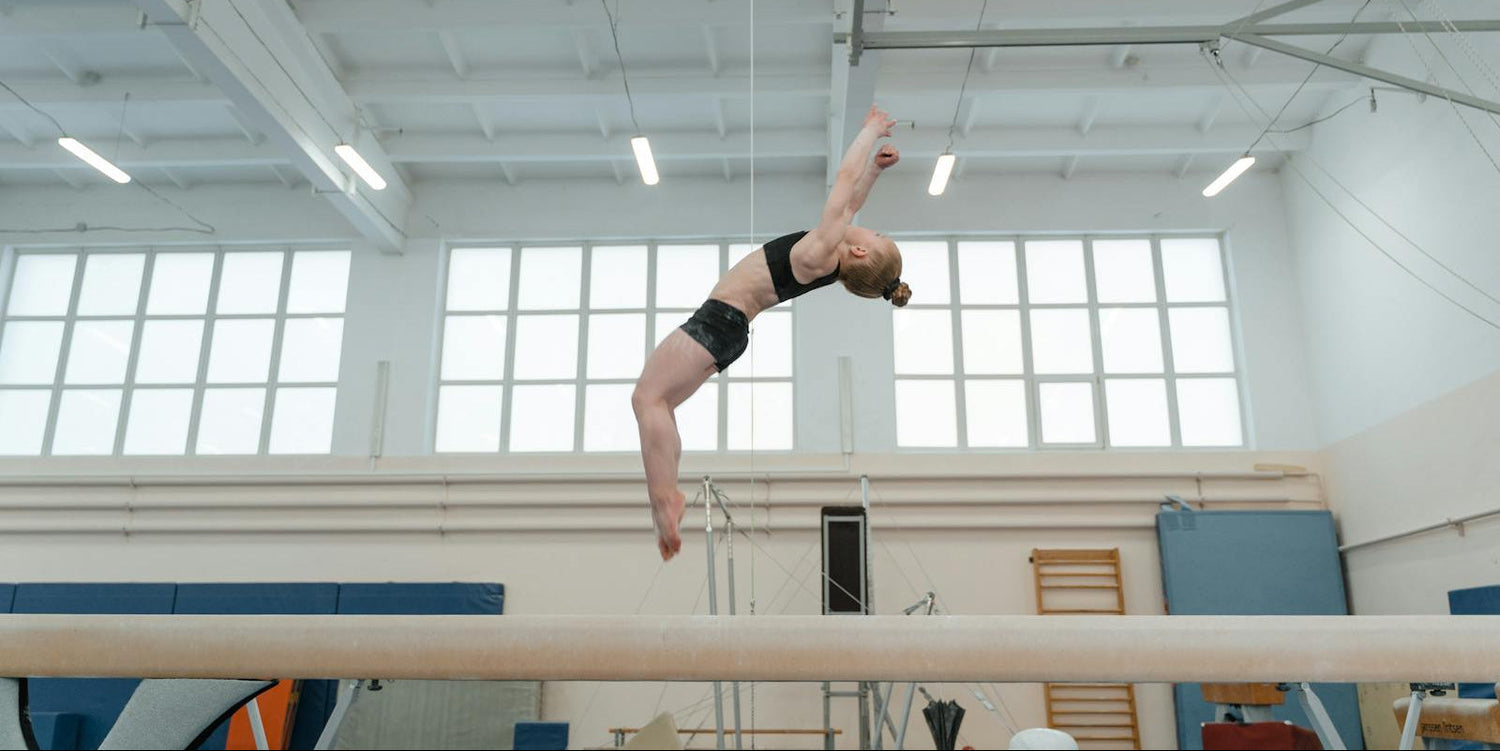
When most people hear the word gymnast, they picture Artistic Gymnastics. In reality, there are several different gymnastics disciplines, and the best class depends on the child’s interests, personality, and goals. For most beginners, a general gymnastics class is the smartest starting point because it introduces core movement skills before a child branches into a more specialized path.
From the dance-infused elegance of Rhythmic Gymnastics to the high-flying excitement of Trampoline and Tumbling, there are many ways to define what it means to be a gymnast. Some programs focus on strength and apparatus work, while others emphasize music, movement quality, partner skills, or air awareness. This breakdown will help you navigate the different disciplines so you can choose the best path for your aspiring athlete.
Key Takeaways
- A gymnast is not limited to artistic gymnastics. Common class types include Artistic Gymnastics, Rhythmic Gymnastics, Trampoline and Tumbling, Acrobatic Gymnastics, and beginner-focused preschool or recreational programs.
- For most beginners, a general recreational gymnastics class is the best starting point because it builds strength, coordination, flexibility, and confidence before early specialization.
- Artistic Gymnastics is usually best for kids who enjoy climbing, balancing, swinging, and learning skills across multiple pieces of equipment.
- Rhythmic Gymnastics fits children who love dance, music, flexibility, and choreography, while Trampoline and Tumbling suits kids who love jumping, flipping, and aerial movement.
- The right class depends on the gymnast’s age, personality, goals, and access to qualified coaching, safe equipment, and a program that matches their current skill level.
What All Gymnastic Classes Have in Common
Before diving into the specific styles, it is important to recognize that every gymnast shares a common foundation. Regardless of whether a child chooses artistic, rhythmic, or tumbling classes, they will develop essential life and physical skills. A gymnast learns strength, flexibility, coordination, and body awareness, which serve as a base for all other sports.
Most classes follow a similar structure designed to keep the gymnast safe and progressing steadily:
- Warm-up and Stretching: Essential for preparing muscles and preventing injury.
- Skill Drills: Practicing specific movements and techniques relevant to the apparatus.
- Conditioning: Building the core power required to perform advanced skills.
Artistic Gymnastics: The Classic Image of a Gymnast
Artistic Gymnastics is the discipline most people recognize. It requires a gymnast to perform short routines on different apparatuses, blending explosive power with control and grace. It is divided into men’s and women’s disciplines, each with its own set of events.
The Apparatus
- Women’s Artistic: Vault, Uneven Bars, Balance Beam, and Floor Exercise.
- Men’s Artistic: Floor Exercise, Pommel Horse, Still Rings, Vault, Parallel Bars, and High Bar.
Who is it Best For?
This path is ideal for a gymnast who enjoys variety and wants to master skills on multiple pieces of equipment. It suits children who have a lot of energy and enjoy swinging, climbing, and balancing. Whether in a recreational class or on a competitive team, an artistic gymnast builds incredible upper-body strength and discipline.
Artistic Gymnastics is often the best fit for children who like movement variety rather than repeating the same type of skill. It can also be a strong choice for beginners because many gyms use artistic equipment in entry-level recreational classes.
Rhythmic Gymnastics: Dance, Flexibility, and Coordination
If your child loves dance, ballet, and music, Rhythmic Gymnastics might be the perfect fit. Unlike artistic gymnastics, which focuses on heavy apparatus, a rhythmic gymnast performs on a floor area using hand-held apparatuses. This discipline emphasizes flexibility, musicality, and hand-eye coordination.
The Apparatus
A rhythmic gymnast manipulates one of five apparatuses while leaping and pivoting to music:
- Rope
- Hoop
- Ball
- Clubs
- Ribbon
Who is it Best For?
This style is suited for a gymnast who naturally gravitates toward performance and choreography. It is less about brute power and more about grace, agility, and the seamless manipulation of the apparatus. Beginners will focus on ballet basics and fundamental handling of the equipment.
Rhythmic Gymnastics can be an excellent option for children who enjoy expressive movement, posture work, and learning routines set to music. It usually appeals to kids who are patient with repetition and enjoy refining details.
Trampoline & Tumbling (T&T): Height and Air Awareness
For the gymnast who loves the sensation of flying, Trampoline and Tumbling (often abbreviated as T&T) provides an adrenaline-filled outlet. This discipline is distinct from artistic gymnastics and focuses almost entirely on acrobatics, bouncing, and aerial awareness.
The Events
- Trampoline: The gymnast performs a series of high-flying jumps, twists, and somersaults.
- Tumbling: Performed on a long sprung track (rod floor), where the gymnast connects fast-paced flips and handsprings without music or choreography.
- Double Mini-Trampoline: A smaller apparatus where the gymnast performs a run-up followed by two explosive aerial skills.
Who is it Best For?
T&T is perfect for the "daredevil" gymnast who loves jumping and flipping but may not enjoy the bars or beam. It is excellent for developing spatial awareness and is often a great cross-training ground for divers, skiers, and cheerleaders.
This discipline is especially appealing to children who are naturally bold, energetic, and excited by jumping-based movement. It can also be a good fit for athletes who want to improve body control in the air for other sports.
Acrobatic Gymnastics and Other Programs
Beyond the primary three disciplines, many gyms offer specialized classes that cater to different interests:
- Acrobatic Gymnastics (Acro): This discipline is performed in pairs or groups. The bottom gymnast (base) lifts and throws the top gymnast (top), requiring immense teamwork and trust.
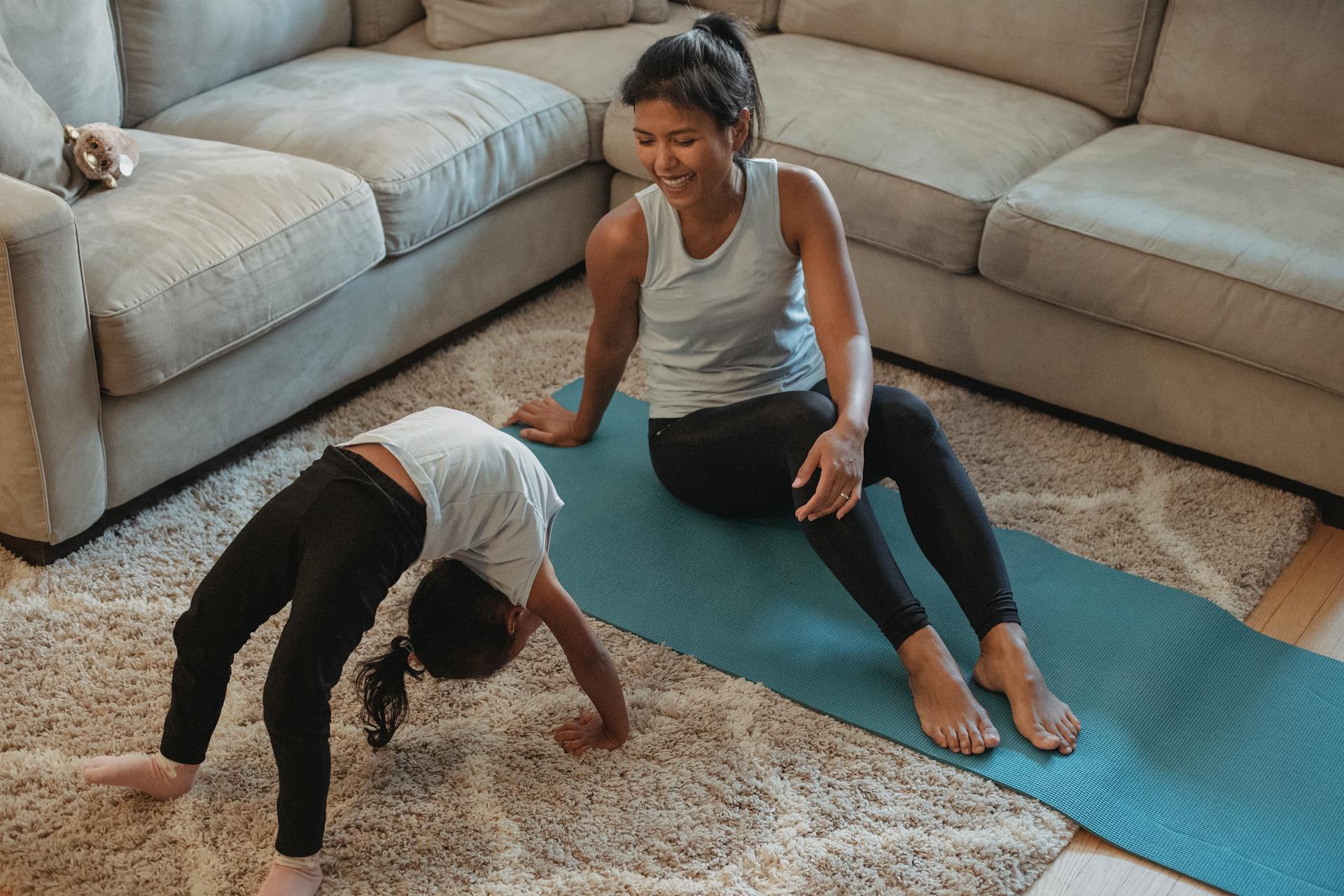
- Preschool & Parent-Tot: These classes allow the youngest aspiring gymnast to explore movement safely, often with a parent's help. It’s a wonderful introduction to motor skills.
- Ninja & Parkour: While not traditional gymnastics, these classes utilize gymnastics equipment to teach obstacle navigation, appealing to kids who view the gym as a playground.
These programs can be especially valuable for families who want age-appropriate entry points instead of formal competition-focused training right away. For many young children, enjoyment and confidence should come before specialization.
How to Choose the Right Class for Your Aspiring Gymnast
With so many options, selecting the right class depends on the individual goals and personality of the gymnast.
- For the Dancer: If they are always moving to music and striking poses, try Rhythmic Gymnastics.
- For the Climber: If they love the playground monkey bars and balancing on curbs, Artistic Gymnastics is a great start.
- For the Bouncer: If they spend hours on the backyard trampoline, a T&T program will teach them how to flip safely.
For most families, the best first question is not Which sport is best, but Which class will keep my child engaged, safe, and excited to return next week. Long-term progress usually starts with enjoyment and consistency.
Practical Considerations
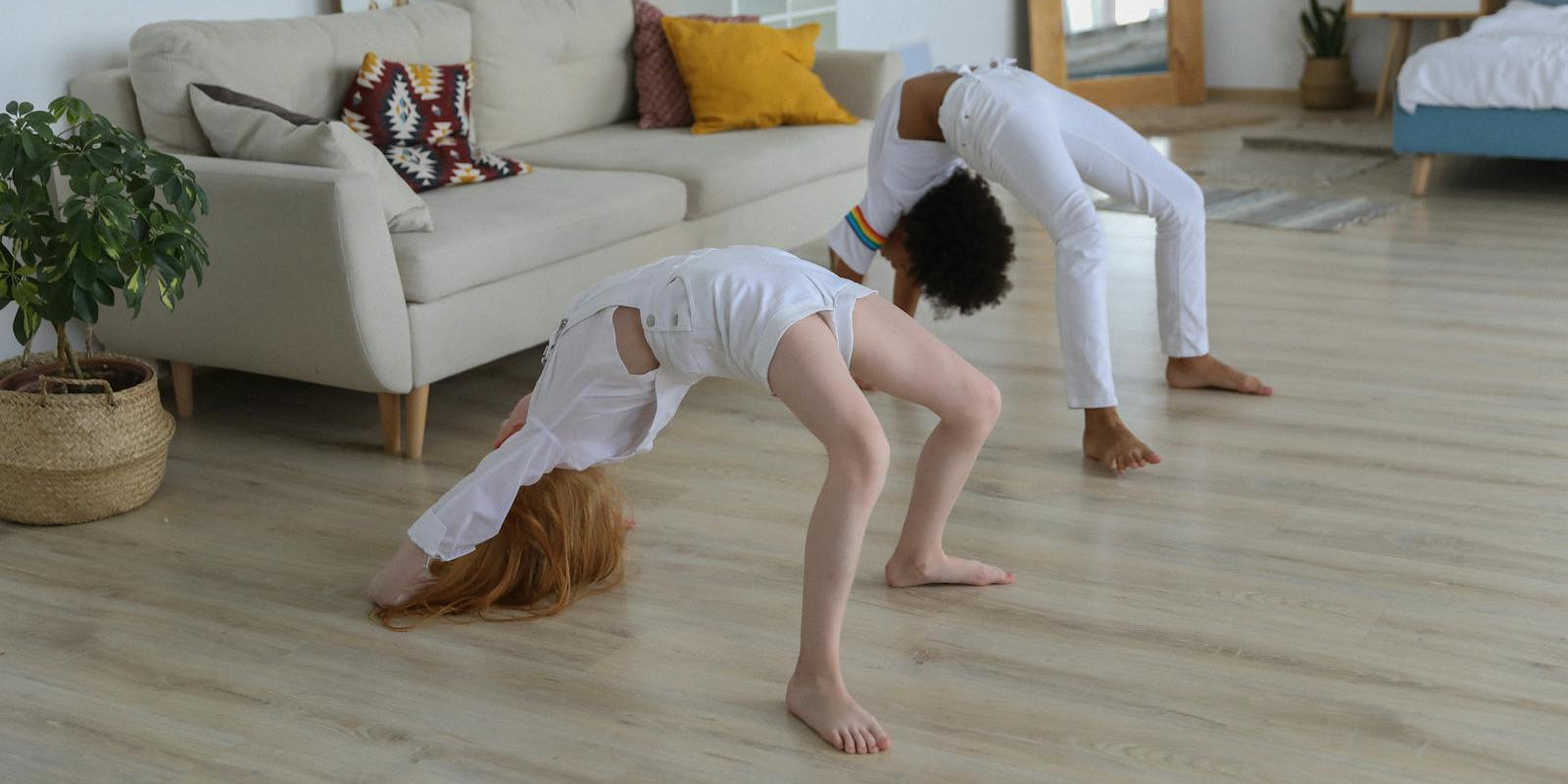
When looking at a gym directory, check if the facility specializes in one area or offers a variety. A recreational gymnast often starts in a general class that introduces basic skills like rolls and cartwheels, which are fundamental to all disciplines. Trial classes are an excellent way to see which equipment lights up your child's eyes.
It is also smart to look at the coaching environment, class size, safety setup, and whether the program matches your child’s age and experience level. Course names can vary from gym to gym, so ask what skills are actually taught in the class before enrolling.
A good beginner program should offer clear progressions, proper supervision, and a positive atmosphere. The goal is not to rush a child into advanced skills, but to help them build a strong foundation safely.
Conclusion: Many Paths, One Identity
Ultimately, there is no single way to be a gymnast. Whether the focus is on the power of the vault, the grace of the ribbon, or the height of the trampoline, each discipline offers a unique pathway to physical fitness and confidence. By understanding these differences, you can help every young gymnast find the class where they will truly shine.
The most important takeaway is simple: the right gymnastics class is the one that matches the athlete in front of you. Start with the child’s interests, choose a safe and supportive program, and let their strengths guide the next step. That is how many gymnasts begin a lasting and rewarding journey in the sport.

Leave a comment
This site is protected by hCaptcha and the hCaptcha Privacy Policy and Terms of Service apply.