
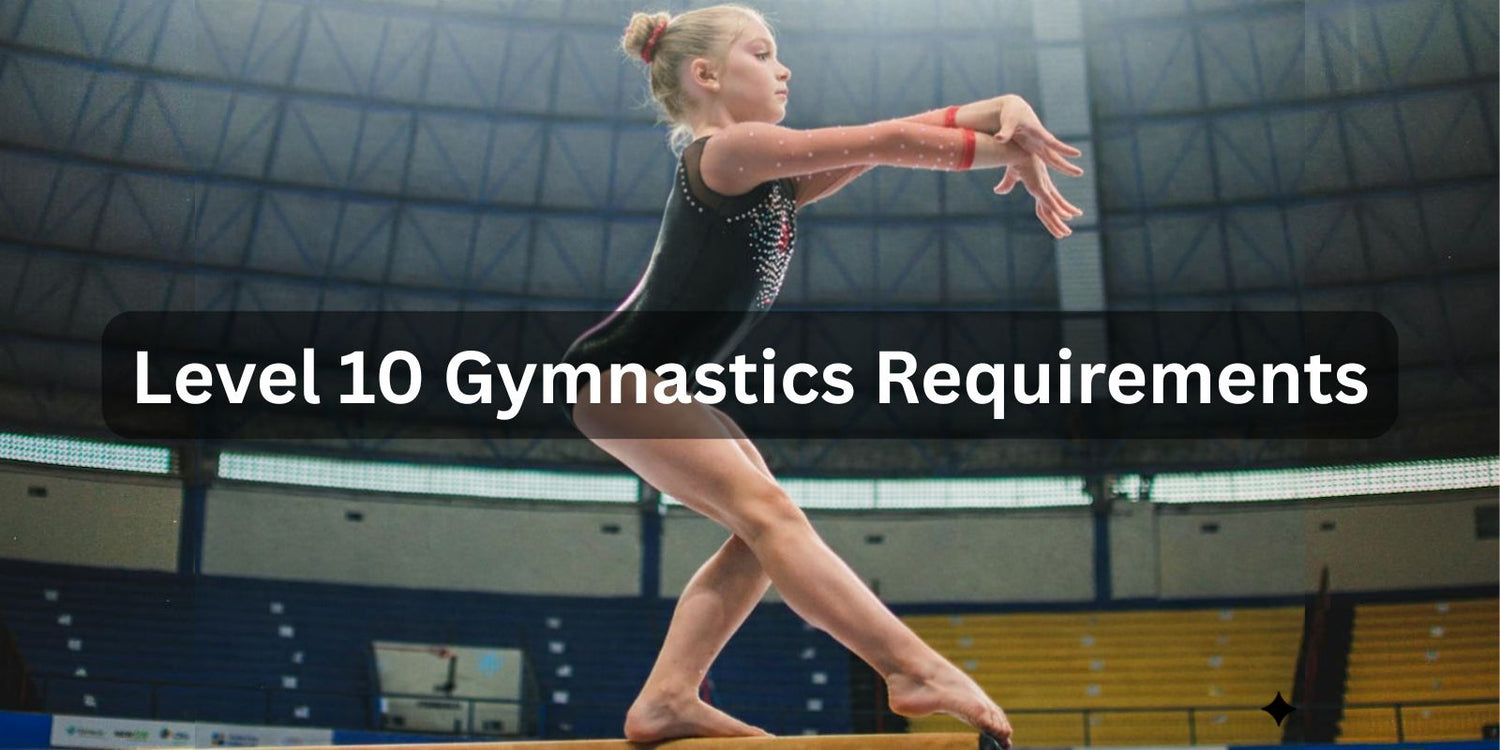
Level 10 is the highest optional Gymnastics Levels in the USA Gymnastics Women’s Development Program, and it is where routine construction, bonus strategy, and execution quality all matter at once. For the 2026 season, athletes and families should focus less on rumors about rule changes and more on understanding verified Level 10 requirements, start value building, and event by event scoring priorities based on current USA Gymnastics materials
Level 10 gymnastics is the top optional stage in the Development Program and the level where athletes are judged on both advanced difficulty and polished execution. In practical terms, success at this level depends on building a strong start value, choosing smart event specific upgrades, and minimizing deductions under the 10.0 scoring model
Key Takeaways
- Level 10 is the highest optional level in the Women’s Development Program: It serves as a major bridge toward college gymnastics and, for some athletes, elite development pathways
- A 10.0 score does not happen automatically: Gymnasts must meet composition requirements and earn the necessary start value through skill selection, special requirements, and bonus where applicable
- Execution still decides meet results: High difficulty can raise scoring potential, but form breaks, pauses, weak landings, and missed positions still reduce the final score.
- Level 10 routine planning is event specific: Vault values, bars connections, beam rhythm, and floor tumbling composition all affect scoring in different ways
- Families should verify current season details with official sources: Appendix revisions, qualification procedures, and local competition policies can change across the season or differ by state and region
Overview of Level 10 Gymnastics
Level 10 is the final optional level before many athletes shift their focus fully toward college recruiting, elite goals, or long term high performance development. USA Gymnastics describes Level 10 as an optional level with no general skill choice restrictions, which makes routine strategy more important than simply adding harder skills
Understanding the Scoring System
Level 10 uses a 10.0 based scoring model, but gymnasts must earn that maximum start value through the right mix of composition requirements, special requirements, value parts, and bonus opportunities. The final score then reflects execution, body position, amplitude, rhythm, and landing control, which is why clean routines often outscore routines that are harder but less precise
General Requirements Across All Events
Across all four events, Level 10 routines must satisfy event specific composition expectations rather than relying on difficulty alone. A gymnast can perform impressive individual skills and still lose scoring potential if the routine lacks the required structure, connection quality, or event appropriate variety
Vault Requirements
Vault scoring at Level 10 starts with the value assigned to the chosen vault, so vault selection directly affects scoring potential before execution is even considered. Once the gymnast is in the air, block, body shape, repulsion, direction, height, distance, and landing control become the biggest score separators, especially when multiple athletes compete similar vault families
Uneven Bars Requirements
Uneven bars routines at Level 10 are built around composition, amplitude, bar changes, cast positions, flight, and efficient bonus construction. The strongest routines show continuous swing, clean handstand positions, direct connections with purpose, and a dismount that feels like the natural finish of the set rather than a separate element
Balance Beam Requirements
Balance beam rewards athletes who combine acrobatic series, dance elements, turns, and dismount difficulty with steadiness and rhythm from start to finish. At this level, the judges are not only evaluating whether the skills are present but also whether the routine shows confidence, continuity, and control without pauses, balance checks, or broken connection timing
Floor Exercise Requirements
Floor exercise at Level 10 must combine high quality tumbling with dance, leap positions, turn work, and performance quality that fits the music and fills the space. Strong floor scores usually come from routines that manage both power and precision, because incomplete twisting, weak landing positions, and low chest positions can erase the value gained from harder passes
Skill Difficulty and Connection Value
Level 10 routine construction is not just about collecting hard skills, because the real scoring advantage comes from choosing elements that work together efficiently. The best routines use difficulty that the gymnast can repeat consistently, connect with confidence, and present with clean shapes, which is often more valuable than chasing risky upgrades too early
Upgrades, Progression, and Readiness
A gymnast is ready for Level 10 upgrades when the skill is not only physically possible but also repeatable under pressure with acceptable form and landing control. Coaches usually look for a combination of strength, technique, consistency, and recovery capacity before moving an athlete toward higher value tumbling, bigger releases, or more aggressive connection plans.
Collegiate and Elite Pathways
Level 10 is a major recruiting level because it gives college coaches a clear view of an athlete’s scoring ceiling, execution habits, and competitive consistency. While not every Level 10 gymnast pursues elite competition, strong Level 10 results can open important opportunities in NCAA gymnastics and help athletes build a more visible competitive profile.
Specific Changes and What to Watch
For 2026, the safest approach is to track official USA Gymnastics rules, appendices, and program updates rather than relying on secondhand summaries, because revision pages and policy notes can affect judging interpretation and meet procedures. Current USA Gymnastics materials show that the 2022 to 2026 optional code remains the governing framework through July 31, 2026, with updated appendices and separate 2025 to 2026 rules and policy materials supporting the season
Navigating the Upper Levels
Families usually do best at this stage when they treat Level 10 as a long term development process rather than a single season target. Clear communication about routine construction, competition goals, injury management, school balance, and recruiting timelines helps athletes stay healthy while still improving their scoring potential.
FAQs
Will the Level 10 gymnastics rules change for the 2026 season?
No, the core optional code remains the same through July 2026. Families and athletes should follow the current framework rather than rumors. You must check official USA Gymnastics updates for specific appendix revisions or policy notes. Staying informed ensures your routine strategy matches the verified expectations.
Does a Level 10 gymnastics routine automatically start with a 10.0 score?
No, gymnasts must earn the maximum start value through proper composition. Athletes build this value by combining required elements with special requirements and bonus opportunities. Clean routines with smart upgrades often score higher than risky routines with poor execution. Judges look for consistent shapes and controlled landings.
How does Level 10 gymnastics impact college recruiting pathways?
Level 10 provides college coaches a clear view of an athlete and their scoring ceiling. Strong results at this stage open major opportunities in college gymnastics programs. Competing consistently shows recruiters that the gymnast handles pressure well. Building a visible competitive profile here helps secure future placements.
What determines the highest Level 10 gymnastics vault scores?
Vault scoring begins with the assigned value of the chosen skill. Once the gymnast leaves the table, judges separate scores based on height, distance, and direction. Athletes must maintain tight body shapes in the air. Landing control is the final factor that separates competitors with similar vaults.
Do judges require rhythm for Level 10 gymnastics balance beam routines?
Yes, rhythm demonstrates confidence and prevents deductions for pauses or broken connections. Evaluators check whether acrobatic series and dance elements flow together without hesitation. Maintaining steady movement from start to finish proves mastery over the skills. Routines with continuous motion always outscore those with balance checks or stops.
Conclusion
Level 10 gymnastics is where advanced optional competition becomes highly strategic, because start value, composition, execution, and consistency all matter at the same time. For the 2026 season, the smartest path is to build routines that are difficult enough to score well, clean enough to hold up under judging, and grounded in the latest official USA Gymnastics guidance



Leave a comment
This site is protected by hCaptcha and the hCaptcha Privacy Policy and Terms of Service apply.