
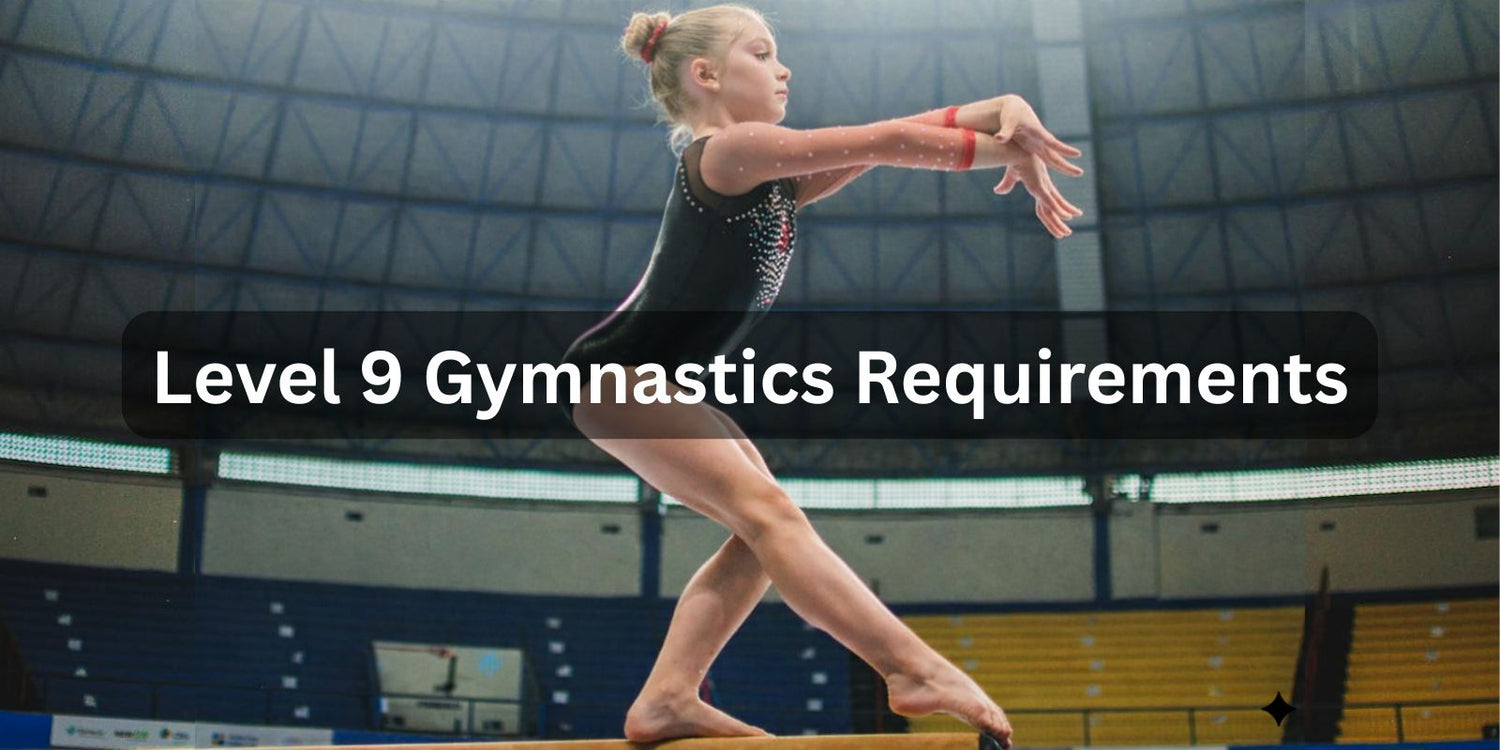
Level 9 is an advanced Gymnastics Level in USA Gymnastics where routine composition, execution quality, and start value strategy all matter. For the current Women’s Development Program cycle, athletes generally must be at least 8 years old and earn a 34.00 all around score at Level 8 to move to Level 9, but families should always verify the latest official handbook before planning a season.
Level 9 gymnastics requires advanced optional routines, stronger composition strategy, and more polished execution than the earlier levels. Families, athletes, and coaches should treat it as a major competitive step that demands both verified rule knowledge and readiness across strength, confidence, and skill consistency.
Key Takeaways
- Level 9 is part of the optional segment, where athletes build routines within defined difficulty and composition limits rather than performing one compulsory routine.
- Under the current USA Gymnastics Women’s Development Program rules cycle, Level 9 athletes must typically be 8 years old and have a 34.00 all around mobility score from Level 8.
- Scoring depends on both start value construction and execution, so missing special requirements or weak routine composition can lower the score before form deductions are even applied.
- Level 9 routines need more than difficulty alone because judges also evaluate rhythm, control, amplitude, connection quality, and composition across all four events.
- The smartest approach is to build routines around consistent skills, safe upgrades, and verified rulebook requirements instead of chasing difficulty too early.
General Eligibility and Age Requirements
To compete Level 9 in the current USA Gymnastics Women’s Development Program structure, an athlete generally must have reached her 8th birthday and earned a 34.00 all around score at Level 8 for mobility. These requirements appear in the current Rules and Policies mobility chart and should be checked against the latest official release before a move up is finalized.
Meeting the minimum score does not automatically mean an athlete is truly ready for the level. Coaches still need to evaluate consistency, event depth, landing control, mental readiness, and the ability to train optional routines safely over time.
Competition Structure
Level 9 sits in the optional track of the Women’s Development Program, where composition is evaluated and athletes build routines within level specific rules. The season usually progresses through local meets and state or regional competition, with additional championship opportunities depending on qualification pathway and region.
At this stage, judges pay close attention to start value construction, execution deductions, and compositional requirements. A routine can look difficult and still lose important tenths if it lacks clean connections, required content, or consistent rhythm.
Skill and Routine Requirements by Event
Routine building at Level 9 depends on more than adding harder skills. Athletes need the right balance of value parts, special requirements, and high quality execution to protect start value and scoring potential.
Vault
- Allowed vault families: Level 9 uses approved vault groups under the current Development Program vault tables, and not every vault entry or family is treated the same for value. The official Level 9 vault appendix lists the accepted groups and assigned start values.
- Difficulty and execution: A higher value vault only helps if the gymnast shows strong block, body tension, distance, and a controlled landing. Incomplete direction changes, poor body shape, and weak repulsion can quickly erase the advantage of a harder vault.
- Scoring strategy: The best Level 9 vault is often the one an athlete can perform cleanly under pressure. Coaches should weigh start value against consistency, safety, and landing reliability across the full season.
Uneven Bars
- Routine composition: Level 9 bars routines must satisfy the current optional composition rules, including flight expectations, circling work, and dismount value requirements. Because these details are rule specific, coaches should build bars sets directly from the current Code of Points appendices and composition guidance.
- Flow and connections: Continuous rhythm matters because pauses, extra swings, and broken momentum can reduce both routine quality and scoring efficiency. Level 9 bars should look connected, purposeful, and technically prepared rather than pieced together skill by skill.
- Common deductions: Handstand precision, body line, leg form, amplitude, and landing control remain major score separators. Even a routine with the right content can fall behind if the basics are not sharp.
Balance Beam
- Acro and dance content: Level 9 beam routines must satisfy current acro, dance, turn, and dismount expectations within the optional code. The composition rules reward routines that combine required content with direct, confident movement quality.
- Connection value and flow: Beam connections only help when they are clearly direct and controlled. Hesitation, balance checks, or rhythm breaks can interrupt connection value and also lead to execution or composition related losses.
- Execution and artistry: Beam scoring still depends heavily on posture, precision, confidence, and continuity. A steady, composed set with secure basics often outscores a riskier routine that looks tentative.
Floor Exercise
- Tumbling requirements: Level 9 floor routines must be built within the current optional restrictions and composition rules for salto content, pass structure, and overall routine makeup. Difficulty helps, but floor scores also depend on controlled landings, clean twisting mechanics, and complete pass construction.
- Dance passage and turns: Split positions, leap amplitude, and turn completion matter because dance elements are part of both composition and execution scoring. A routine that tumbles well but looks weak in dance can still lose valuable tenths.
- Choreography and presentation: Level 9 floor should show rhythm, full body engagement, and purposeful performance quality. Judges do not evaluate tumbling in isolation, so musical fit and routine continuity still matter.
Scoring and Start Value
At Level 9, the goal is to build the highest start value allowed within the current code while minimizing easy deductions. Missing special requirements, weak composition choices, or non creditable connections can lower scoring potential before execution is even considered.
After start value is established, judges deduct for errors such as bent arms, bent knees, leg separation, flexed feet, balance checks, short handstands, low amplitude, and uncontrolled landings. This is why routine construction and execution quality need to be trained together, not treated as separate problems.
Training Expectations and Time Commitment
Level 9 usually requires a major increase in training quality, routine endurance, and skill consistency compared with lower levels. Training schedules vary by gym, but athletes generally need enough weekly volume to support strength, flexibility, event refinement, routine numbers, and recovery without sacrificing safe progress.
Mental preparation is just as important as physical preparation because optional gymnastics demands decision making, confidence, and composure under pressure. Families should expect a heavier commitment to practice planning, meet travel, school balance, and long term athlete support.
Pathways Forward
A strong Level 9 season can open the door to Level 10 progression and higher postseason goals within the Development Program. It can also strengthen an athlete’s long term profile for future recruiting conversations, depending on skill level, scores, competitive consistency, and overall development.
Not every gymnast follows the same path after Level 9, and that is normal. Some athletes continue upward in the Development Program, while others transition into high school gymnastics or related disciplines that still benefit from advanced body awareness, strength, and technical training.
Rule Updates and Strategic Implications
The current Women’s Development Program optional code runs through July 31, 2026, and USA Gymnastics has also published updates and revised appendices during that cycle. That means coaches should treat every new season as a verification step, especially for vault values, composition details, judging procedures, and event specific revisions.
The strategic takeaway is simple: build routines from the official documents first, then tailor difficulty to the athlete. A routine that satisfies the code cleanly and consistently is usually more competitive than one that adds risk without enough scoring return.
Practical Tips and Essential Gear
The best time to discuss a Level 9 move up is before meet season planning becomes rushed. Families should ask whether the athlete can hit required content consistently, recover well from training, and perform competitive routines with control rather than isolated big skills.
- Checklists and planning: Use a season checklist that tracks mobility, routine construction, upgrades, meet dates, recovery, and travel needs. Clear planning reduces stress for both athletes and parents.
- Apparel and comfort: Practice leotards, supportive undergarments, grips related gear, and backup basics should be competition ready before the season begins. Comfort matters because distraction often shows up in performance quality.
- Equipment and accessories: Bars athletes usually need reliable grips, tape, wrist supports if used, and a bag setup that keeps essentials organized. Small preparation mistakes can create unnecessary meet day stress.
- Organization: A well packed backpack with water, snacks, tape, grips, hair supplies, training notes, and warm up items helps athletes stay focused. Good organization supports better routines because it removes avoidable chaos.
Summary
Level 9 is a major optional milestone that combines stricter routine construction with higher expectations for execution, consistency, and readiness. The smartest path is to verify the current code, build routines around dependable strengths, and treat safety, preparation, and composition as part of the score from day one.



Leave a comment
This site is protected by hCaptcha and the hCaptcha Privacy Policy and Terms of Service apply.