
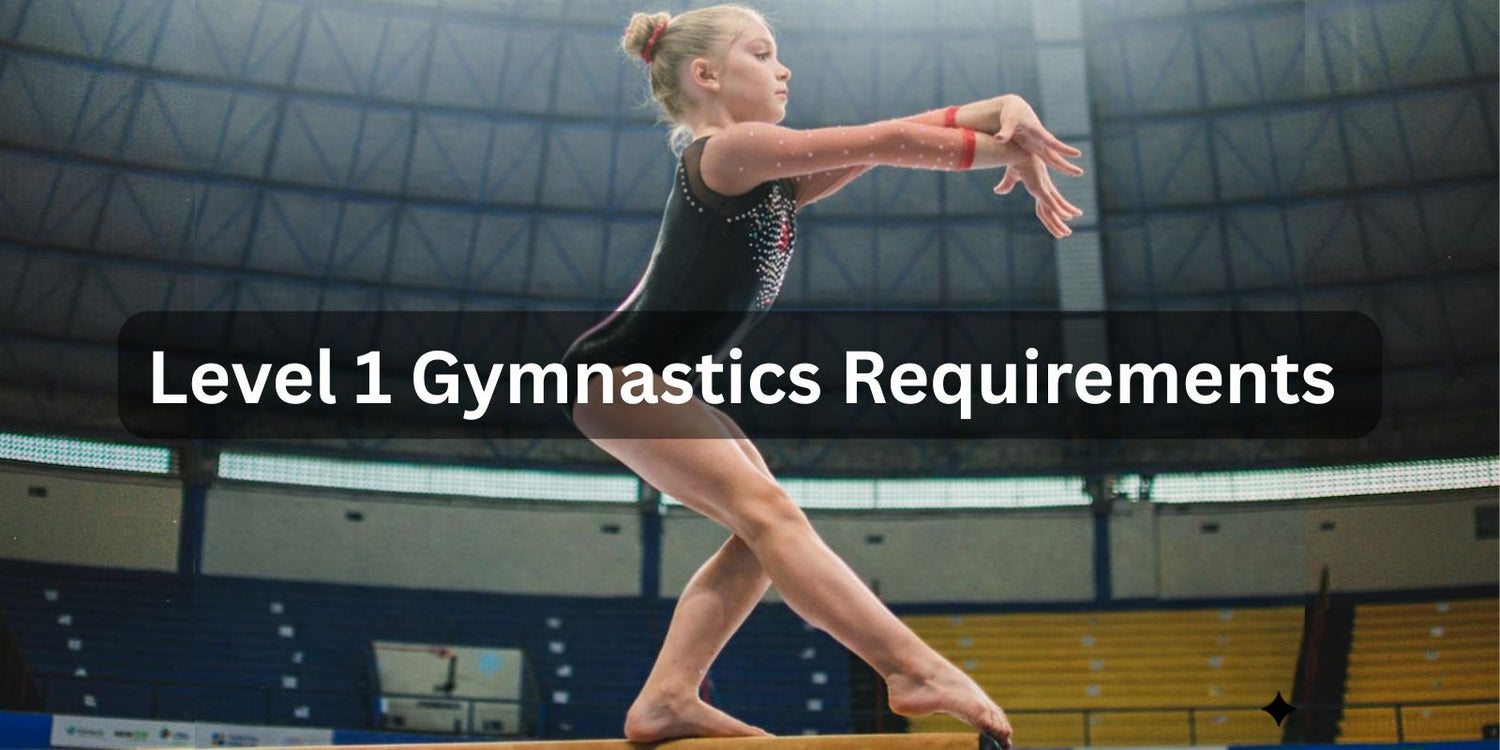
Beginner gymnastics in 2026 focuses on safety, body control, basic shapes, and confidence before athletes move into more advanced skills. While exact requirements can vary by gym, federation, and program type, most entry level pathways emphasize the same core foundations across vault, bars, beam, and floor.
Key Takeaways
- Beginner gymnastics in 2026 is designed to build safe movement patterns, body awareness, and confidence before harder skills are introduced.
- Most entry level programs focus on the same basics across all four apparatus, including shapes, balance, support positions, safe landings, and listening skills.
- Progress is measured more by consistency, control, and safety than by difficulty or competition results.
- Family support matters because regular attendance, rest, and encouragement help children adapt faster to the class environment.
- Advancement timelines vary, but athletes usually need several months of steady practice before they are ready for the next level.
Overview in the Gymnastics Level System
This first stage exists to build the physical and technical base needed for long term progress in gymnastics. It serves as the bridge between casual movement play and the more structured skill demands of higher Gymnastics Levels.
Most athletes at this stage need little or no previous experience. Preschool movement classes can help, but they are not required in most beginner programs.
General Goals and Expectations
Success at this stage is based on physical, technical, and behavioral development. Coaches are usually looking for control, consistency, and safe habits rather than polished advanced performance.
- Physical Goals:Participants develop basic strength, flexibility, balance, coordination, and body awareness. These physical qualities support every future gymnastics skill.
- Technical Goals:Participants learn foundational shapes such as tuck, pike, straddle, hollow, and arch. They also begin to understand body tension, posture, pointed toes, straight legs, and proper alignment.
- Behavioral Goals:Participants learn to follow directions, rotate through stations, wait their turn, and stay focused in a group setting. They also build confidence, body awareness, and respect for safety rules.
Skill Requirements by Apparatus
The 2026 beginner framework generally centers on simple, repeatable movements that prepare athletes for more advanced skills later. Each apparatus teaches a different part of the athletic foundation.
Vault
Vault at this stage introduces running mechanics, jumping power, hand support, and safe landing habits. Common beginner drills include a squat on to a mat stack or a handstand flat back onto a soft landing surface.
Key expectations include a controlled approach, a strong jump from the springboard, active arm support, and a safe landing position. Athletes are also expected to show body tension and confidence during simple vault progressions.
Uneven Bars
Bars work develops grip strength, upper body support, and shape awareness while hanging or supporting on the bar. Beginner athletes usually practice straight hang, tuck hang, pike hang, and front support positions.
Common introductory skills include the pullover, low casts, and simple forward roll dismounts. Coaches also emphasize correct grip, regrip mechanics, and controlled landings throughout bar training.
Balance Beam
Beam work usually starts on a very low beam or floor beam to build confidence and reduce fear. Athletes learn how to mount safely, move with control, and maintain posture while balancing.
Typical skills include forward walking, sideways walking, backward walking, relevé walking, an arabesque scale, a stretch jump, and a simple straight jump dismount. At this stage, staying tight and moving with control is more important than adding difficulty.
Floor Exercise
Floor is where many of the most important basics are established. Athletes practice shapes, rolls, handstand preparation, basic jumps, and early dance connections.
Typical requirements include tuck, pike, straddle, hollow hold, bridge work, forward rolls, backward roll progressions, and pre cartwheel drills. Coaches usually watch closely for pointed toes, straight legs, body tension, and safe landings.
Routine Composition and Performance Guidelines
Beginner routines are usually standardized so all athletes learn the same core skills and movement patterns. This helps build consistency, memory, rhythm, and confidence before optional routines are introduced later.
Each event generally includes a set sequence of foundational elements linked together in a simple pattern. On floor, athletes may perform to a designated instrumental track to develop timing, rhythm, and presentation.
Presentation also matters at this stage. Athletes are encouraged to show good posture, clear start and finish positions, and a proper salute before and after the routine.
Scoring, Evaluation, and Progress
Most entry level programs use structured evaluations rather than formal high pressure competition. Coaches typically score athletes based on execution, form, consistency, and safety instead of difficulty.
Checklists are often used to determine readiness for the next level. A child does not need perfect performance, but they usually need to show repeatable basics, control, and safe habits across all apparatus.
Progress timelines vary from athlete to athlete. Some participants move forward in a few months, while others spend closer to a full year developing strong fundamentals.
Safety Standards and Equipment
Safety is the top priority in all beginner gymnastics settings. The goal is to help athletes learn new movements in a supportive, low risk environment with qualified supervision.
Safety Practices
Every session should begin with a warm up to prepare the body for activity. Spotting, progressions, and step by step drills are used to introduce unfamiliar movements safely.
Equipment
Beginner programs typically use padded landing mats, floor level beams, low training bars, vault trainers, and entry level springboards. These tools reduce fear and help athletes learn skills in a more controlled environment.
Attire
Athletes should wear fitted athletic clothing or a leotard so coaches can clearly see body positions. Hair should be tied back, jewelry should be removed, and bare feet are commonly required for grip and safety.
Preparing for the First Tier of Gymnastics
Children can prepare for beginner gymnastics by building simple strength, mobility, and confidence at home. Light stretching, balance practice, and basic core work can make the first classes feel more familiar.
Mental preparation is just as important. New athletes need to get used to taking turns, listening in a group, and trying unfamiliar skills without expecting perfection right away.
Family support plays an important role in early success. Consistent attendance, enough sleep, and praise for effort can make the adjustment period much smoother.
Progression to Higher Gymnastics Levels
Advancing to the next level usually requires the safe and consistent execution of all beginner skills. Strong basics in shapes, support, balance, and body tension make later skills much easier to learn.
Progress does not happen at the same speed for every athlete. Some children need more time to build confidence, while others progress faster because of age, coordination, attendance, or prior movement experience.
Frequently Asked Questions
What is the ideal age to start?
Many programs welcome children around age four or five. Older beginners often start here as well because this level is designed to teach proper fundamentals.
Are there formal competitions?
Most beginner programs are instructional rather than competitive. The focus is usually on learning, confidence, and readiness for future levels.
How long does completion take?
Most athletes spend several months to a year at this stage depending on age, attendance, and individual progress. Consistent participation usually matters more than speed.
What if there is fear of certain equipment?
Fear is normal in beginner gymnastics. Coaches typically use low equipment, mats, spotting, and progressions to build comfort one step at a time.
Are the requirements uniform everywhere?
Not exactly. Many beginner programs share similar foundations, but exact expectations can vary by federation, club, and curriculum.
Summary
The first stage of gymnastics is about building safe habits, strong basics, and confidence on every apparatus. With patient coaching, steady practice, and family support, beginner athletes can develop the skills and mindset needed for long term progress in the sport.


Leave a comment
This site is protected by hCaptcha and the hCaptcha Privacy Policy and Terms of Service apply.