
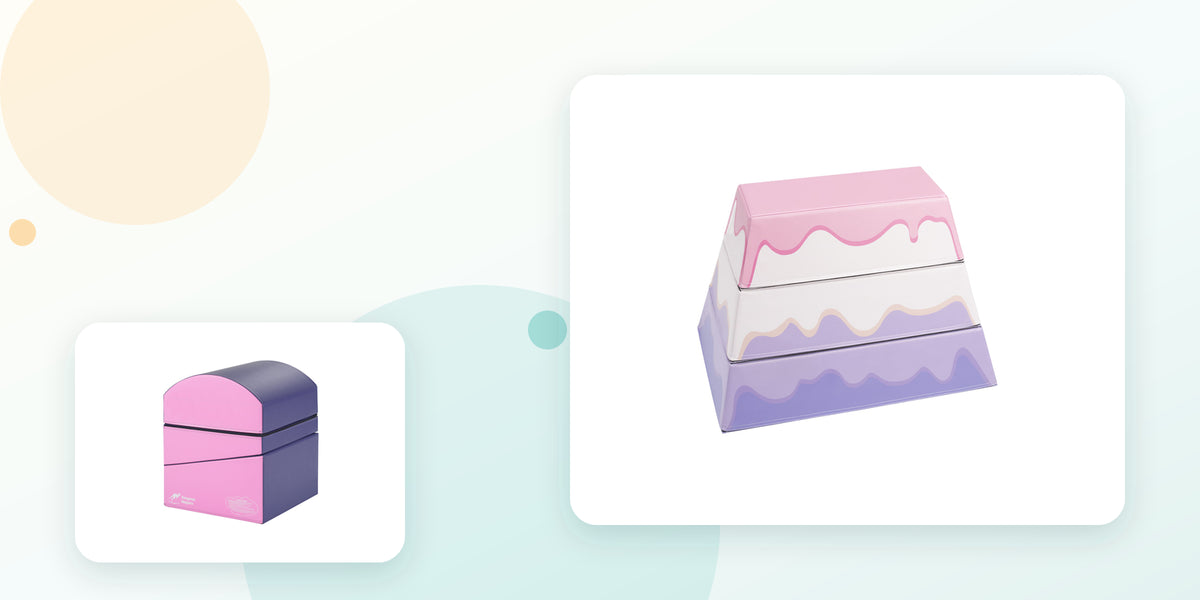
A gymnastics springboard is the sprung platform that turns a fast run into a powerful, controlled launch onto the vault or apparatus. Choosing and setting one up correctly matters for both performance and safety.
This guide explains how the springs work, how soft and hard boards differ, how to match a board to a gymnast, and how to set one up safely at home or in the gym.
Quick Answer
A gymnastics springboard is a sprung, carpet topped platform that stores energy from a gymnast run and jump, then releases it to launch the athlete higher and faster onto a vault, beam, or bars. Soft boards suit lighter beginners, while firmer boards reward stronger, advanced gymnasts.
Table of Contents
- What is a gymnastics springboard?
- How does a springboard launch a gymnast?
- What is the difference between a soft board and a hard board?
- How do you choose the right springboard?
- What standard dimensions and safety features matter?
- How does board technique affect performance?
- How do you set up and care for a springboard at home?
Key Takeaways
- Sprung launch: A springboard stores energy from your run and jump, then returns it to send you higher than a fixed surface.
- Soft vs hard: Soft boards give a gentler, slower rebound for lighter gymnasts, firmer boards give a faster, sharper one for stronger athletes.
- Match the springs: Most boards carry six to eight springs, reduced for lighter or beginner gymnasts per manufacturer guidance.
- Standard size: A typical board is about 120 cm long and 60 cm wide with a non slip carpet top.
- Speed matters: A faster, well timed punch off the board drives a higher, more powerful vault.
What is a gymnastics springboard?
A gymnastics springboard is a sprung, angled platform a gymnast jumps onto to launch higher and faster than a fixed floor allows. It mainly powers the vault, but also helps gymnasts mount the beam or bars.
- Core use: Driving the run up energy into the handspring, Yurchenko, or Tsukahara entry on the vaulting table.
- Secondary use: Springing up to start a balance beam or uneven bars routine.
- Also called: A vault board, vaulting springboard, or Reuther board in many gyms.
Because it is a training and competition staple, many families buying a home setup add a board to their gymnastics equipment bundles.
How does a springboard launch a gymnast?
A springboard launches a gymnast by storing the energy of the run up and jump in its springs, then releasing it to push the body upward and forward. The board amplifies the force the gymnast applies, it does not create force on its own.
- Loading: The gymnast hits the board fast, compressing the springs as the top surface flexes down.
- Return: The springs rebound, returning stored energy as upward and forward lift.
- Timing: A quick, firm contact transfers more energy than a slow, heavy landing.
This is why a faster approach paired with the right board produces the strongest, cleanest takeoff. Pair board drills with proper gymnastics mats for a safe landing zone.
What is the difference between a soft board and a hard board?
The difference is rebound feel and speed: a soft board flexes more for a gentler, slower return, while a hard board flexes less for a faster, sharper push. The right choice depends on the gymnast weight, strength, and skill level.
| Board type | Rebound feel | Best for |
|---|---|---|
| Soft board | Gentler, slower, more forgiving | Younger, lighter gymnasts building technique |
| Hard board | Faster, sharper, more powerful | Stronger, advanced athletes seeking lift |
Many competition venues offer both so gymnasts can pick the rebound that matches their style. Some gyms pair board work with gymnastics balance beams for mounting practice.
How do you choose the right springboard?
Choose a springboard by matching its spring firmness to the gymnast weight, strength, and level, then confirming the build quality, surface grip, and size suit your space. Selection is about feel and safety, not just price.
- Skill level: Beginners benefit from a softer, more forgiving rebound while advanced athletes want a firmer response.
- Build quality: Look for a sturdy frame, secure fasteners, and a non slip carpet top in good condition.
- Space fit: Confirm the board footprint and the landing area both fit your training space.
For a fuller picture, read our home gymnastics equipment guide before buying.
Matching springs to gymnast weight and level
Most adjustable boards carry six to eight springs, and the count is reduced for lighter or beginner gymnasts to soften the rebound.
- Fewer springs: A softer, slower feel suited to lighter or younger gymnasts.
- More springs: A firmer, faster rebound for heavier or stronger athletes.
- Safety rule: Keep the recommended corner and center springs in place so the board stays balanced.
What standard dimensions and safety features matter?
A standard competition springboard is roughly 120 cm long and 60 cm wide, about four feet by two feet, with a non slip carpet top and a low profile. Safety features focus on grip, secure springs, and a stable frame.
- Surface: A non slip carpet top gives grip for the takeoff foot in both bare feet and slippers.
- Springs and collar: Secure springs and a safety collar keep the rebound consistent and the board balanced.
- Pairing: Always set the board over thick landing surfaces such as tumbling mats.
Common mistakes to avoid
The most common mistakes weaken the rebound or create a fall risk, and most are easy to fix.
- Wrong firmness: Using a hard board before a gymnast has the strength to load it correctly.
- Slick floor: Placing the board on a smooth surface where it can slide on contact.
- Skipped checks: Ignoring loose hardware, dead springs, or a worn carpet top.
When to stop and replace a board
Stop using any board the moment the rebound, springs, or surface no longer feel safe and consistent.
- Dead springs: Springs that feel flat or no longer return energy should be replaced.
- Loose hardware: Wobbling joints or loose fasteners mean the board is no longer stable.
- Torn surface: A ripped or peeling carpet top reduces grip and should be repaired or replaced.
How does board technique affect performance?
Board technique affects performance mainly through approach speed and contact timing: a faster run and a quick, firm punch off the board produce a higher, more powerful vault. The board returns the energy you put in, so a strong, well timed contact matters most.
One trial of 20 youth female gymnasts, mean age 12.5 years, found that a six week plyometric program added to their habitual training improved run up velocity, take off velocity, board contact time, and post flight time on the handspring vault.[1]
A study of 407 elite athletes at the 2016 European Championships found that run up speed correlated significantly with difficulty score and height of flight for female vaulters across all styles.[2]
A study of 47 top level male elite and junior gymnasts found that handspring and Tsukahara difficulty was strongly correlated with run up speed.[3]
"The faster you can apply force to the ground, the quicker your muscles and tendons react, creating a more powerful and explosive upward thrust."
Jeff Cavaliere, MSPT, CSCS, Physical Therapist and Strength Coach, former Head Physical Therapist for the NY Mets, Athlean-X
The video below shows how coaches teach vault entry and board contact for developing gymnasts.
Drilling speed and punch timing is easier once basics are solid, so review our basic gymnastics skills guide alongside board work.
How do you set up and care for a springboard at home?
Set up a springboard on a firm, level floor with thick landing mats in front, then inspect the springs, fasteners, and surface regularly. Good placement and routine checks keep the board safe and the rebound consistent.
- Placement: Use a firm, level floor and add a non slip base if the board can slide.
- Landing zone: Pair the board with thick mats, and add an incline gymnastics mat for kids for early drills.
- Maintenance: Check springs, hardware, and the carpet top before each session.
For mounting practice at home, position the board near an 8ft adjustable gymnastics beam or near adjustable gymnastics rings for varied skill work.
Matching equipment to a gymnast stage helps, so parents can use our gymnastics levels guide for parents to plan progression.
FAQs About Gymnastics Springboards
What is a gymnastics springboard used for?
A springboard is a sprung platform a gymnast jumps onto to launch higher and faster than from a fixed surface. It mainly powers the vault, but it also helps gymnasts spring up onto the balance beam or uneven bars at the start of a routine, making it a core piece of training and competition equipment.
What is the difference between a soft and hard springboard?
A soft board flexes more under load and gives a gentler, slower rebound, which suits younger or lighter gymnasts still developing technique. A hard board flexes less and returns energy faster for a sharper, more powerful rebound, which stronger and more advanced athletes often prefer. Many competition venues offer both.
How many springs should a gymnastics springboard have?
Most adjustable boards ship with around six to eight springs, and the count can be reduced for lighter or beginner gymnasts. Fewer springs create a softer feel, while more springs create a firmer, faster rebound. Always follow the manufacturer guidance and keep recommended corner and center springs in place so the board stays balanced and safe.
What size is a standard gymnastics springboard?
A typical competition springboard is roughly 120 centimeters long and 60 centimeters wide, which is about four feet by two feet. The surface is covered in non slip carpet for grip, and the board sits low to the floor. Home and training boards follow similar proportions, though exact dimensions vary slightly between manufacturers and levels.
How do I keep a springboard safe at home?
Place the board on a firm, level floor and pair it with thick landing mats to protect the gymnast. Inspect the springs, fasteners, and carpet surface regularly, and stop using any board with loose hardware, a torn surface, or springs that feel dead. Supervise young gymnasts and progress skills gradually under qualified coaching when possible.
Does a springboard help you jump higher?
Yes. The springs store and release energy from your run up and jump, returning it to push you higher and farther than a fixed platform would. The board only amplifies the force you apply, so a faster approach and a quick, powerful punch off the board still matter. Good technique combined with the right board produces the best lift.
Conclusion
A gymnastics springboard turns speed into safe, controlled lift, so choosing the right firmness and spring count for the gymnast matters as much as the run up itself.
Beginners should start with a softer board, pair it with thick mats, and inspect it before every session as skills and confidence grow.
Disclaimer
This article is general educational information about gymnastics springboards and is not medical, safety, or coaching advice for any individual. Train under qualified supervision and follow manufacturer guidance, and seek professional advice before starting or changing any gymnastics program.
References
1. Marina M, Jemni M. Effect of Plyometric Training on Handspring Vault Performance and Functional Parameters in Youth Female Gymnasts. PLoS One. 2016. https://pmc.ncbi.nlm.nih.gov/articles/PMC4747498/
2. Schwiertz G, Brueckner D, Schedler S, et al. The faster, the better? Relationships between run-up speed, the degree of difficulty and the height and length of flight on vault. PLoS One. 2019. https://pmc.ncbi.nlm.nih.gov/articles/PMC6405201/
3. Schwiertz G, Brueckner D, Schedler S, et al. Physical determinants of vault performance and their age-related differences across junior and elite gymnasts. PLoS One. 2019. https://pmc.ncbi.nlm.nih.gov/articles/PMC6894803/

Leave a comment
This site is protected by hCaptcha and the hCaptcha Privacy Policy and Terms of Service apply.