
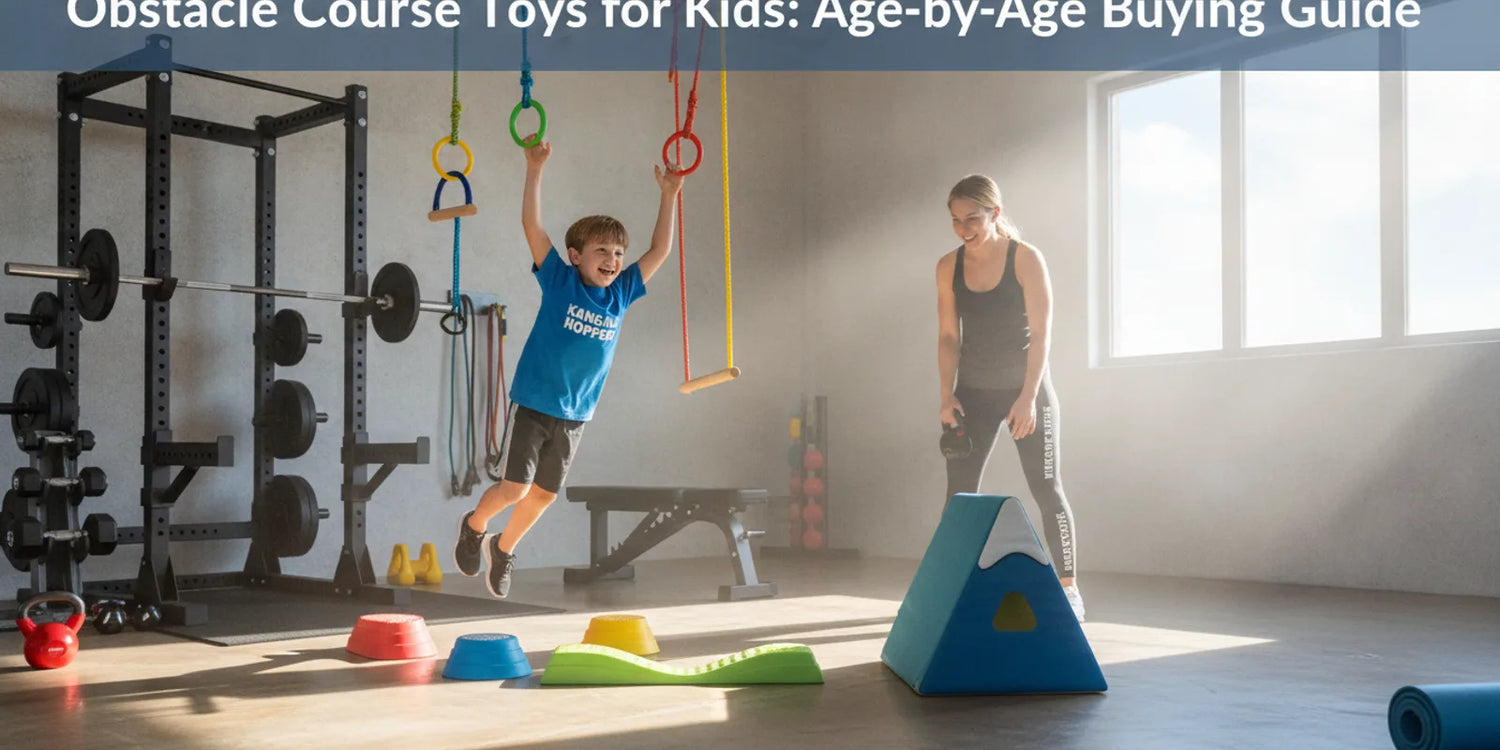
Obstacle course toys for kids are sets of crawl tunnels, balance beams, stepping stones, hurdles, and climbing pieces that turn a room or yard into an active play circuit. This guide matches them to your child age, your space, and your budget.
You will see which toys fit toddlers through tweens, how to set them up safely, and which Kangaroo Hoppers pieces build the same skills indoors and out.
Quick Answer
The best obstacle course toys for kids match a child age and your space, using ground-level beams, soft tunnels, and low hurdles for toddlers ages 2 to 4. Older kids handle climbing and ninja-style stations, so start with an adjustable bundle that grows with your child.
Table of Contents
- What Are Obstacle Course Toys and Why Kids Love Them
- Which Obstacle Course Toys Suit Each Age Group?
- How Do You Choose the Right Set? Decision Matrix
- Are Obstacle Course Toys Worth the Price?
- How Do You Add Pieces Over Time?
- Indoor or Outdoor Obstacle Course Toys?
- What Safety Features and Spacing Matter?
- How Do You Keep the Course Safe Over Time?
- How Do You Put a Beginner Course Together?
Key Takeaways
- Match age first: Toddlers need ground-level pieces, while kids over six can take on climbing and ninja stations.
- Buy adjustable: Beams and blocks that change height let one set serve siblings of different ages.
- Plan your space: A toddler course fits under 30 feet, while an elementary course often runs 50 to 100 feet.
- Safety is setup: Keep stations at least 3 feet apart and put padded mats under any climbing or jumping spot.
- Start small, expand later: Begin with a starter bundle, then add beams, blocks, and mats as skills grow.
What Are Obstacle Course Toys and Why Kids Love Them
Obstacle course toys are play pieces that kids crawl through, balance on, jump over, and climb, arranged into a timed or free-flow circuit. They turn movement practice into a game, which is why kids repeat them happily for years.
- Common pieces: crawl tunnels, balance beams, stepping stones, low hurdles, climbing nets, and rope ladders.
- Skills built: gross motor skills, coordination, agility, and the confidence to solve a movement problem on their own.
In one trial, a 12-week program built mainly from fun obstacle-course circuits, with crawling, jumping, throwing, and balance-beam walking, was associated with gains in gross motor skills in children aged 3 to 6.[1]
"The primary goal of strength training for kids should be to enhance movement literacy, which includes improving locomotion, coordination, control, stability, and developing creative ways to solve movement problems."
Andy Galpin, PhD, Professor of Exercise Science and Human Performance, Parker University
A simple way to start at home is a multi-piece set such as the Starter Home Gym Bundle for Kids, which combines soft, low stations into a beginner circuit.
Which Obstacle Course Toys Suit Each Age Group?
The right obstacle course toys depend on a child age and skill level, since balance, strength, and judgment grow quickly between ages 2 and 12. Match the height, challenge, and supervision to each tier rather than to one fixed product.
Toddlers Ages 2 to 4
Toddlers need ground-level pieces only, with balance beams about 6 inches wide or wider, hurdles under 6 inches, and a total course under 30 feet, all under constant supervision.
Preschoolers Ages 5 to 7
Preschoolers can handle slightly higher beams, low climbing, and longer sequences, so a mid-size bundle like the Tumbling Home Gym Bundle for Kids adds more stations and challenge.
Elementary and Tweens Ages 8 to 12
Older kids ages 6 to 9 can use monkey bars around 5 feet, beams about 12 inches off the ground, and climbing ropes up to 6 feet, with courses of 50 to 100 feet, while kids 10 and up handle full-height obstacles and courses of 100 feet or more.
How Do You Choose the Right Set? Decision Matrix
Choose obstacle course toys by weighing budget, available space, and your child age or skill target together, not one factor alone. The matrix below compares Kangaroo Hoppers options so you can match a set to your home.
| Kangaroo Hoppers Option | Budget | Best Space | Best For Age or Skill |
|---|---|---|---|
| Starter Home Gym Bundle for Kids | Budget-friendly | Small indoor space | Ages 2 to 6, soft beginner stations |
| Tumbling Home Gym Bundle for Kids | Mid-range | Playroom or yard | Ages 5 to 9, more stations and challenge |
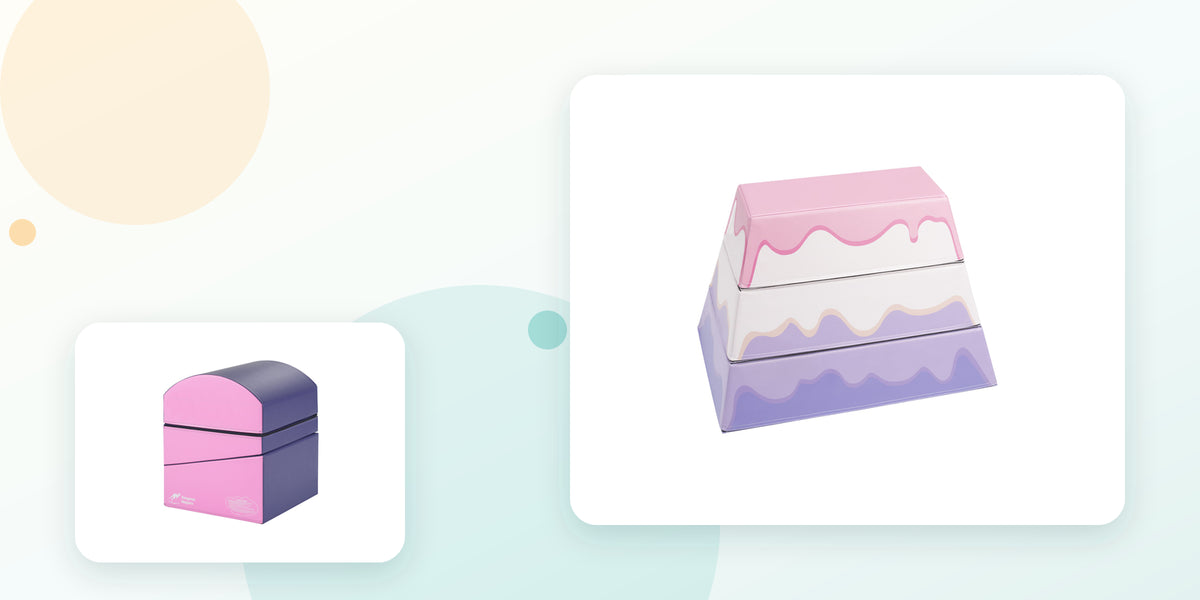
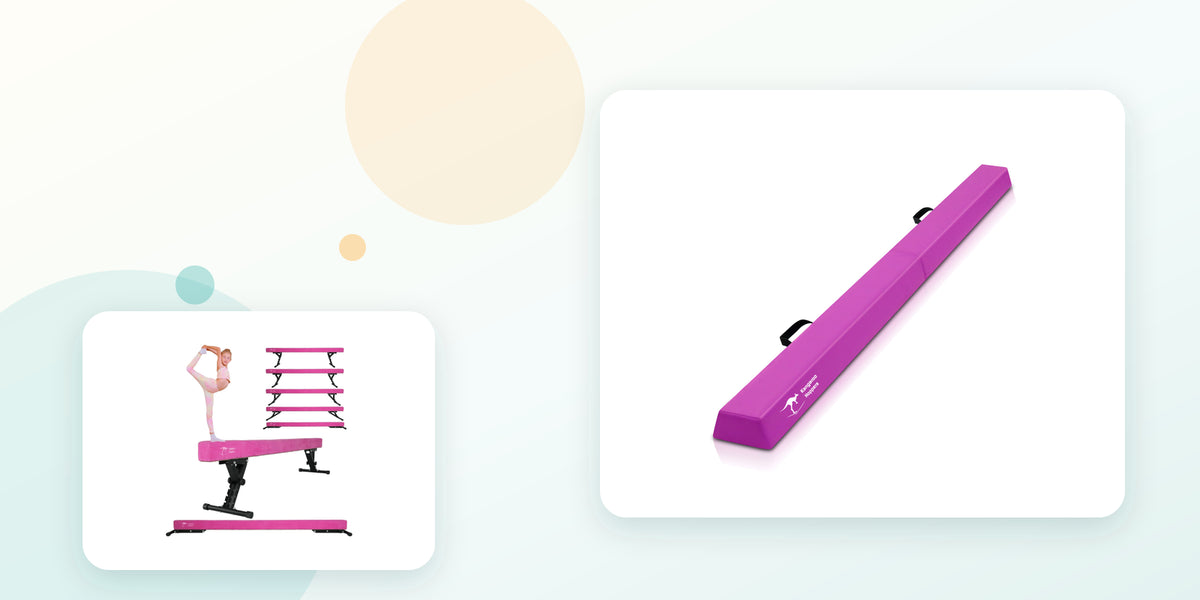
| 8ft balance beam plus gymnastics blocks set | Lowest entry cost per piece | Any space | All ages, build your own one station at a time |
| incline gymnastics mat plus octagon tumbling mat | Adds a safety layer | Under climbing or jumping stations | All ages, cushioned landings |
For object-control and coordination, structured movement helps. Research comparing structured activity with free play found greater gains in coordination, agility, and movement speed in six-year-olds over six months.[2]
Are Obstacle Course Toys Worth the Price?
Obstacle course toys are usually worth the price when you pick adjustable, multi-use pieces rather than single-purpose gadgets. A bundle that converts into many layouts spreads its cost across years of play.
- Value drivers: reconfigurable stations, durable materials, and a weight capacity that fits growing kids.
- Low-cost add-on: a simple kids jump rope adds an agility station for a few dollars.
Think in cost per year of use, not just sticker price, since a beam or block set stays useful from toddler through tween.
How Do You Add Pieces Over Time?
You add pieces over time by starting with a small core set and layering on stations as your child masters each one. This keeps the course fresh and matches new pieces to real skill gains.
- Step one: begin with a beam and a mat for balance and safe landings.
- Step two: add a gymnastics blocks set for stepping and jumping at adjustable heights.
- Step three: introduce climbing or hanging stations only once strength and supervision allow.
For climbing and monkey-bar style play, protective gear like gymnastics wrist guards helps reduce strain on small wrists.
Indoor or Outdoor Obstacle Course Toys?
Choose indoor obstacle course toys for soft, low stations and outdoor toys for climbing and hanging obstacles. The deciding factors are ceiling height, floor padding, and how much clearance you can give each station.
- Indoor picks: soft tunnels, low foam blocks, balance beams, and padded mats in a playroom or hallway.
- Outdoor picks: monkey bars, climbing nets, and rope ladders that need open ground and overhead clearance.
Many families run a hybrid setup, keeping a soft indoor circuit for rainy days and a larger yard course for active afternoons.
What Safety Features and Spacing Matter?
The safety features that matter most are non-slip surfaces, padded landing zones, a clear weight capacity, and generous spacing between stations. Setup matters as much as the toy itself.
- Spacing: keep stations at least 3 feet apart so kids land and recover without colliding.
- Supervision: aim for one adult per five kids, with direct supervision for any obstacle over 3 feet for kids under 8.
Researchers use obstacle-course time as a standard composite measure of children's motor skill, alongside the standing long jump and one-foot balance.[3]
How Do You Keep the Course Safe Over Time?
You keep a course safe over time by inspecting it before each use and refreshing worn parts. Materials loosen, padding compresses, and kids outgrow heights, so a quick routine prevents most problems.
- Before play: check beams, joints, and anchors for wobble, and confirm mats sit flat with no gaps.
- Over months: replace frayed ropes or flattened padding, and raise station heights only as skills grow.
Browse the full kids gymnastics equipment collection to find obstacle-ready beams, blocks, and mats in one place.
How Do You Put a Beginner Course Together?
You put a beginner course together by lining up three to four simple stations in a loop, starting with crawl, balance, jump, and a soft landing. Keep it short so young kids finish and want another turn.
The video walks through easy obstacle-course ideas you can prep at home, which pairs well with our related guide to the best gymnastics toys for kids.
FAQs About Obstacle Course Toys for Kids
What age can kids start using obstacle course toys?
Most kids can start around age 2 with ground-level pieces such as soft tunnels, wide balance beams, and low hurdles. Keep early courses simple and close to the floor with constant supervision. As coordination grows, you add height and climbing features, so the same toys can grow with a child for several years.
Are obstacle course toys safe indoors?
Yes. Use soft tunnels, low foam blocks, balance beams, and padded mats indoors, and keep climbing or hanging obstacles for outdoor or ceiling-rated setups. Clear at least three feet around each station, remove furniture with hard edges, and put a tumbling mat under any spot where a child might step down or land.
How much space does a kids obstacle course need?
It depends on age and pieces. A toddler course can fit in under 30 feet of total path, while an elementary course often runs 50 to 100 feet with room between stations. Indoors, even a single hallway or playroom works if you keep stations low and leave about three feet of clearance around each one.
What is the difference between play sets and ninja warrior kits?
Play sets and bundles use varied ground-level and low stations like beams, blocks, tunnels, and mats that suit younger or mixed-age kids. Ninja warrior kits focus on hanging and climbing obstacles such as monkey bars, rings, and rope ladders, and they target stronger kids roughly aged six and up under close adult supervision.
Can one obstacle course set work for kids of different ages?
Yes, if you pick adjustable pieces. Beams you can raise or lower, blocks that stack to different heights, and hurdles that swap in and out let one set serve a toddler and an older sibling at the same time. You simply change the height, spacing, and sequence so each child gets a fitting challenge.
Do obstacle course toys actually help child development?
Research on structured movement programs that include obstacle circuits links them to gains in coordination, balance, and gross motor skills in young children. Obstacle play also encourages problem solving and persistence. These toys are not a substitute for free play or medical advice, but they give kids a fun, repeatable way to practice core movement skills.
Conclusion
Pick obstacle course toys by matching your child age, your space, and your budget, then start with an adjustable core set. Add stations as skills grow so the course stays fun and safe for years.
If you are just starting, a soft beginner bundle plus a beam and mat covers most toddlers and preschoolers, with room to expand into climbing later.
Disclaimer
This guide offers general information on choosing and setting up obstacle course toys and is not medical, safety certification, or professional training advice. Always supervise children, follow product instructions, and consult a qualified professional for concerns about your child health or development.
References
1. Effects of different types of structured physical activity courses on the gross motor development of preschool children. Frontiers in Public Health. 2025. https://pmc.ncbi.nlm.nih.gov/articles/PMC12763946/
2. Effects of Structured Physical Activity on Motor Fitness in Preschool Children. Children (Basel). 2024;11(4):433. https://pmc.ncbi.nlm.nih.gov/articles/PMC11049180/
3. Prevention through Activity in Kindergarten Trial (PAKT): A cluster randomised controlled trial to assess the effects of an activity intervention in preschool children. BMC Public Health. 2010;10:410. https://pmc.ncbi.nlm.nih.gov/articles/PMC2916900/

Leave a comment
This site is protected by hCaptcha and the hCaptcha Privacy Policy and Terms of Service apply.