
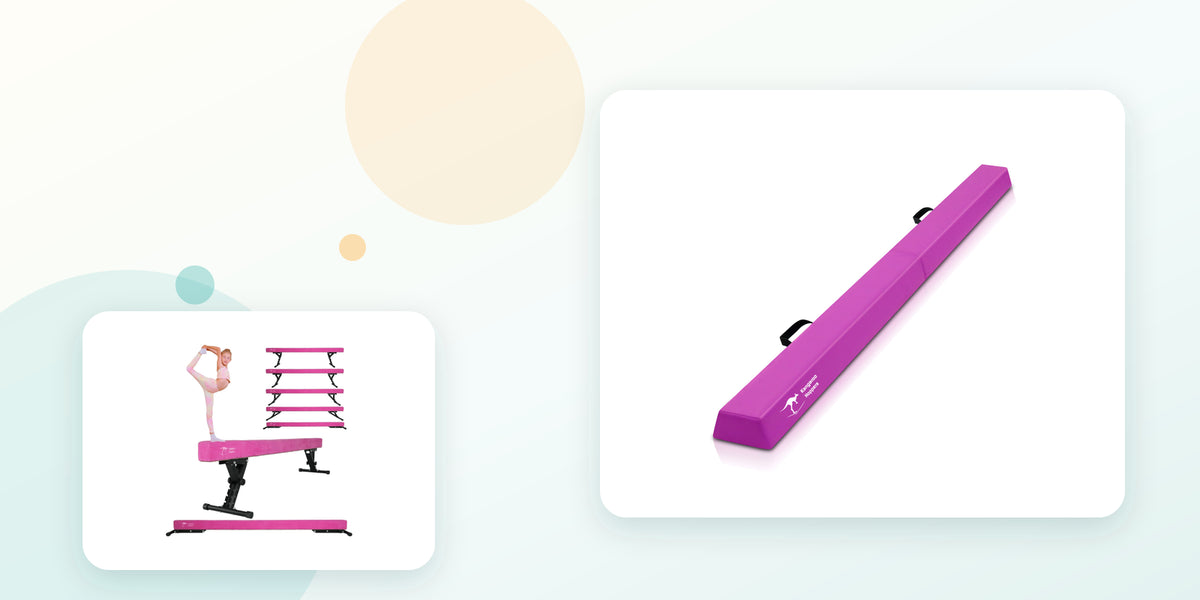
An outdoor balance beam is a simple piece of play equipment that helps kids build coordination, core strength and confidence through everyday backyard play.
This parent guide explains the benefits, how to choose the right beam, safe setup steps, fun activities by age, and which Kangaroo Hoppers beam fits your space and child.
Quick Answer: An outdoor balance beam for kids is a low, narrow beam placed in a backyard to practice walking, balancing and movement skills. It suits children from around age three, supports motor development, and is safest when used on soft, level ground with adult supervision.
Table of Contents
- What Is an Outdoor Balance Beam for Kids?
- Why Does Balance Play Matter for Development?
- How Do You Choose the Right Beam Height, Width and Length?
- Which Kangaroo Hoppers Beam Fits Your Child?
- How Do You Set Up a Balance Beam Safely Outdoors?
- What Balance Beam Activities Can Kids Play by Age?
- What Common Mistakes Should Parents Avoid?
Key Takeaways
- Best from age three: Low, wide beams suit beginners, with narrower or higher beams added as skills grow.
- Builds core skills: Beam play supports balance, coordination, posture, focus and confidence in young children.
- Critical window: Balance ability advances rapidly between ages four and five, making play opportunities valuable then.
- Safety first: Place beams on soft, level ground, keep clear space all around, and supervise closely.
- Match to space and skill: Choose a Kangaroo Hoppers beam by your backyard size, budget and your child's current ability.
What Is an Outdoor Balance Beam for Kids?
An outdoor balance beam for kids is a long, narrow surface, often wooden, that children walk along to practice balance and coordination outdoors. It is usually low to the ground and designed for safe, playful movement in a backyard or garden.
- Typical form: A straight beam a few feet long, raised only slightly off the ground for younger children.
- Where it goes: Backyards, patios and play areas, often paired with mats or other active-play gear.
- Who it is for: Toddlers, preschoolers and young children building fundamental movement skills through play.
Many families add a beam to a wider home setup, alongside a incline gymnastics mat for safe landings and softer practice.
Why Does Balance Play Matter for Development?
Balance play matters because it strengthens the body systems children use for nearly every physical activity, from walking to climbing. Balance ability improves steadily through the preschool years, with one study of preschool children reporting a particularly rapid advance between ages four and five that marks a critical period for balance development.[2]
Practicing balance on a beam gives children repeated, low-pressure chances to build these skills during that important window.
Motor Skills and Postural Control
Balance work develops gross motor skills and postural control, the body's ability to stay steady and upright. Research shows that in typically developing children, postural control shifts from relying on vision toward proprioception around ages four to five, with the sensory systems for balance reaching functional maturity around age nine.[1]
Core Strength, Focus and Confidence
Walking a beam engages the core muscles and trains a child to concentrate on each careful step. A study of 289 children aged three to five used a balance beam to assess dynamic balance and found that structured rhythmic physical activity improved fundamental movement skills, including balance.[3]
"I like to operate on the positive assumption that there's a form of physical activity out there for everybody. We've just got to make the match, get them exposed to it, see what they like, see what they're good at, and then give them opportunities to engage in those forms of activity."
Russell R. Pate, PhD, Distinguished Professor Emeritus of Exercise Science, Arnold School of Public Health, University of South Carolina
Small wins on the beam also build confidence, encouraging kids to try the next challenge. A kids jump rope makes a fun warm-up before beam practice begins.
How Do You Choose the Right Beam Height, Width and Length?
Choose a beam by matching its height, width and length to your child's age and balance ability. Younger or newer users need lower, wider, shorter beams, while older or more skilled children can handle narrower, longer or slightly raised options.
- Height: Start with a beam flat on the ground or only a few inches high so falls are short and gentle.
- Width: Wider surfaces give beginners more room for their feet and build early success.
- Length: An eight-foot beam offers enough distance for walking games while staying manageable in most backyards.
Matching Beam Specs to Your Child's Age and Skill
Match the beam to where your child is now, not where you hope they will be. A toddler taking first steady steps needs a low, wide beam, while a confident six-year-old may enjoy a narrower or adjustable one like the 8ft Adjustable Gymnastics Beam.
Which Kangaroo Hoppers Beam Fits Your Child?
The right Kangaroo Hoppers beam depends on your budget, available space and your child's current skill level. The range spans a simple standalone beam, a beginner set with a mat, and an all-in-one training system for kids ready for more variety.
| Option | Best For | Space and Skill |
|---|---|---|
| 8ft Balance Beam for kids | Core balance practice on a budget | Needs an eight-foot run; suits beginners to intermediate |
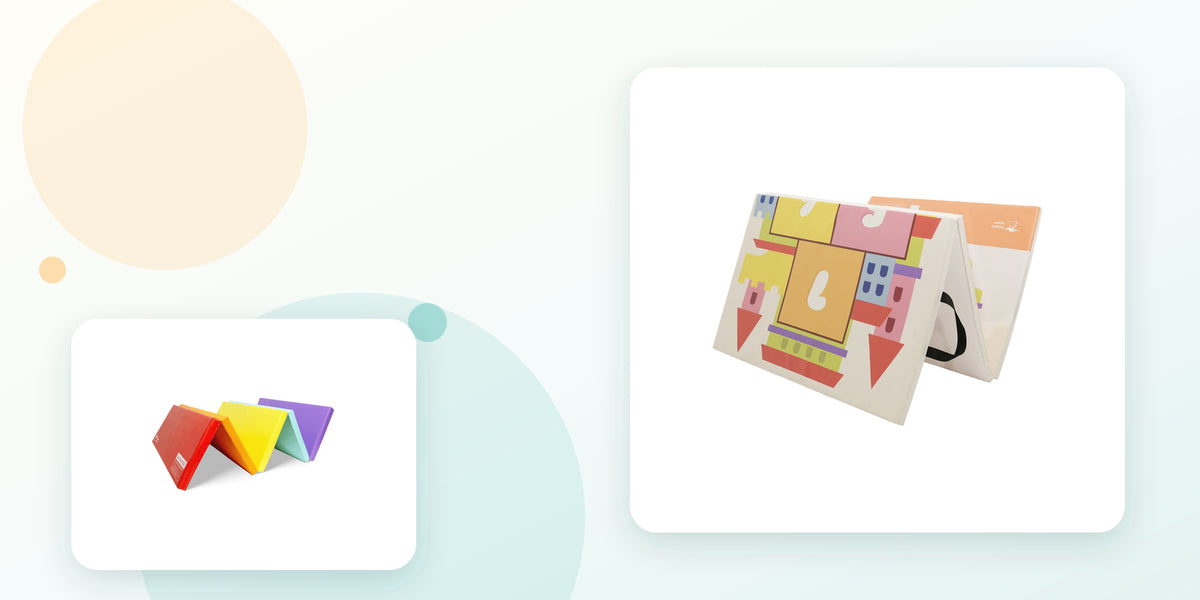
| Tumbling Mat & Balance Beam Set | Youngest beginners wanting soft landings | Compact; ideal for first-timers and cautious kids |
| All-In-One Kids Strength & Balance Training Set | Kids ready for varied, progressing play | Needs more room; suits confident, active children |
For the youngest starters, the First Balance Core Starter Set eases kids in, while the Balance Pro Pack supports steady progression as abilities grow.
To compare the full lineup in one place, browse the gymnastics balance beams collection.
How Do You Set Up a Balance Beam Safely Outdoors?
Set up a balance beam safely by placing it on soft, level ground with clear space all around and an adult nearby. Good placement and supervision turn a beam into a low-risk, high-reward part of active backyard play.
Measuring Your Space and Clearance
Plan for the beam length plus at least three feet of clear space on every side so children can step off or fall safely. For an eight-foot beam, a clear zone of roughly fourteen feet by seven feet works well on level ground.
Surface, Placement and Supervision
Choose a soft surface like grass or a padded mat and keep the area free of hard edges, furniture and rocks. Start with the beam flat on the ground so kids build confidence before any height is added, and always watch closely.
What Balance Beam Activities Can Kids Play by Age?
Kids can play simple walking and balancing games on a beam, with challenges scaled up as they grow. Younger children start with steady forward walks, while older kids enjoy obstacle courses, animal walks and friendly timed crossings.
- Ages 3 to 4: Walk forward slowly, step over a small object, or pause to balance with a helping hand nearby.
- Ages 5 to 7: Walk heel to toe, balance on one foot, or carry a beanbag across without dropping it.
- Ages 8 and up: Try backward walks, animal-walk challenges, or timed crossings within a backyard obstacle course.
The video below shows playful balance and midline activities you can adapt for the beam at home.
What Common Mistakes Should Parents Avoid?
The most common mistake is pushing height or difficulty before a child is steady on a low beam. Rushing progress can shake confidence and raise the chance of small falls, so build skills gradually and keep sessions positive.
- Skipping the basics: Let kids master flat-ground walking before raising the beam or narrowing the path.
- Hard surfaces: Avoid concrete or uneven ground; use grass or a mat instead.
- No supervision: Stay close, especially with toddlers and first-time users.
Stop the session if your child seems tired, frustrated or repeatedly loses balance. For deeper buying advice, see this complete guide to choosing a home balance beam.
FAQs About Outdoor Balance Beams for Kids
What age is an outdoor balance beam good for?
Most outdoor balance beams suit children from around age three and up, since this is when many kids can walk steadily and follow simple directions. Low, wide beams work best for beginners, while older children can progress to narrower or higher beams. Always match the beam to your child's current balance ability.
Are outdoor balance beams safe for young children?
Yes, when used correctly they are very safe for young children. Choose a low beam, place it on a soft, level surface like grass or a mat, and supervise play closely. Start with the beam flat on the ground so kids build confidence first. Stop if your child seems tired or frustrated.
How much space do I need for a backyard balance beam?
Plan for the length of the beam plus at least three feet of clear space on every side so children can step off or fall safely. For an eight-foot beam, a clear zone of roughly fourteen feet by seven feet works well. Keep the area free of hard edges, rocks and furniture.
What activities can kids do on a balance beam?
Kids can walk forward and backward, walk heel to toe, balance on one foot, or carry a small object across the beam. Older children enjoy obstacle courses, animal-walk challenges, and timed crossings with friends. Adding simple games like passing a ball mid-beam builds coordination and focus while keeping practice playful.
Can a balance beam be left outside in the weather?
Some beams are made from weather-resistant materials and can stay outdoors, but most last longer when stored under cover between sessions. Sun, rain and frost can warp wood or fade finishes over time. If your beam is not rated for permanent outdoor use, bring it inside after play to protect it.
Conclusion
An outdoor balance beam is a simple, affordable way to support your child's coordination, core strength and confidence through everyday play. Start low and wide, set up on soft ground, supervise closely, and let skills grow naturally.
To begin, match a beam to your space and your child's ability, then add games and gentle challenges as they progress.
Disclaimer
This article is for general informational purposes only and does not replace professional medical, developmental or safety advice. Consult a qualified professional about your child's individual needs before starting any new physical activity.
References
1. Verbecque E, Vereeck L, Hallemans A. Development of postural control and maturation of sensory systems in children of different ages: a cross-sectional study. Brazilian Journal of Physical Therapy. 2018. https://pmc.ncbi.nlm.nih.gov/articles/PMC5816079/
2. Percentile curve of balance development and network analysis with influencing factors in preschool children. BMC Pediatrics. 2025. https://pmc.ncbi.nlm.nih.gov/articles/PMC12492546/
3. Effect of Novel Rhythmic Physical Activities on Fundamental Movement Skills in 3- to 5-Year-Old Children. BioMed Research International. 2020. https://pmc.ncbi.nlm.nih.gov/articles/PMC7781705/

Leave a comment
This site is protected by hCaptcha and the hCaptcha Privacy Policy and Terms of Service apply.